

Iran’s oil exports face both internal and external pressures
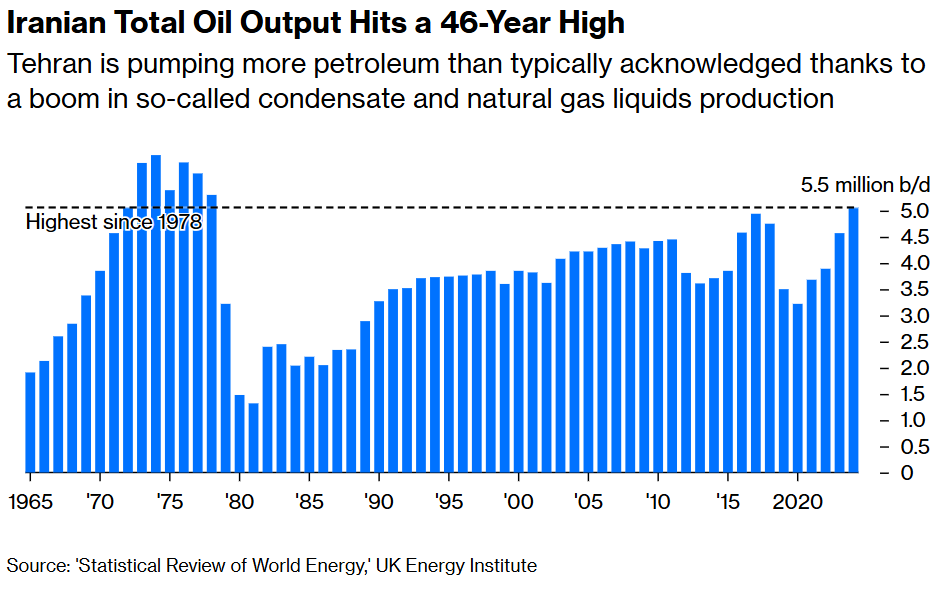
Market focus around Iran has largely centred on military escalation and chokepoint risk in the Strait of Hormuz, but the more relevant supply risk is increasingly domestic. Iran is currently producing close to 5 million barrels per day of crude and other petroleum liquids, near multi-decade highs, yet this stability is fragile. While the US has recently deployed additional naval assets to the Middle East, signalling that military options remain on the table, history suggests that the most severe disruptions to Iranian oil supply have stemmed from labour unrest rather than external attacks.
Labour unrest represents a low-probability, high-impact risk
Although protests have been contained, and the state retains control over key oil regions, underlying economic pressures remain unresolved, leaving the risk of labour unrest in the oil sector in place. Large-scale strikes appear unlikely in the near term, but even partial disruption would be meaningful given Iran’s production levels. For tanker markets, this represents a low-probability but high-impact risk: Any sudden supply interruption would tighten prompt crude availability, increase tonne-mile demand through re-routing and substitution, and reinforce the structural role of geopolitical risk in supporting tanker utilisation.
Sources: Bloomberg & Reuters