

The Ukraine/Russia war, Houthi activity, and U.S. policy developments influenced the market this month
Geopolitical events played a defining role this month, shaping both risks and opportunities across shipping. In the Middle East, Houthi rebels escalated threats against Israel-linked vessels, expanding a disruption campaign that has already impacted Red Sea and Gulf of Aden traffic since late 2023. Many shipowners opted to reroute via the Cape of Good Hope, extending sailing distances and tightening vessel availability.
Trump in opposition to IMO Net-Zero Treaty
In the United States, President Trump renewed his criticism of the IMO’s net-zero climate strategy, describing it as a “global carbon tax” and warning of potential retaliatory measures against participating nations. Analysts note that a U.S. refusal to comply could undermine the IMO’s authority and slow international adoption of fuel standards and CO₂ pricing due in 2027. This raises uncertainty over the pace of regulatory transition, even as shipowners and charterers continue to place emphasis on green readiness to maintain competitiveness.
Ukraine peace talks pose ramifications for shipping
Finally, diplomatic developments between the U.S., Russia, and Ukraine gained attention. Trump’s meetings with both President Putin and President Zelensky in Alaska brought peace negotiations back into the spotlight. Markets weighed the possibility that progress could ease sanctions on Russian crude, boosting global supply.
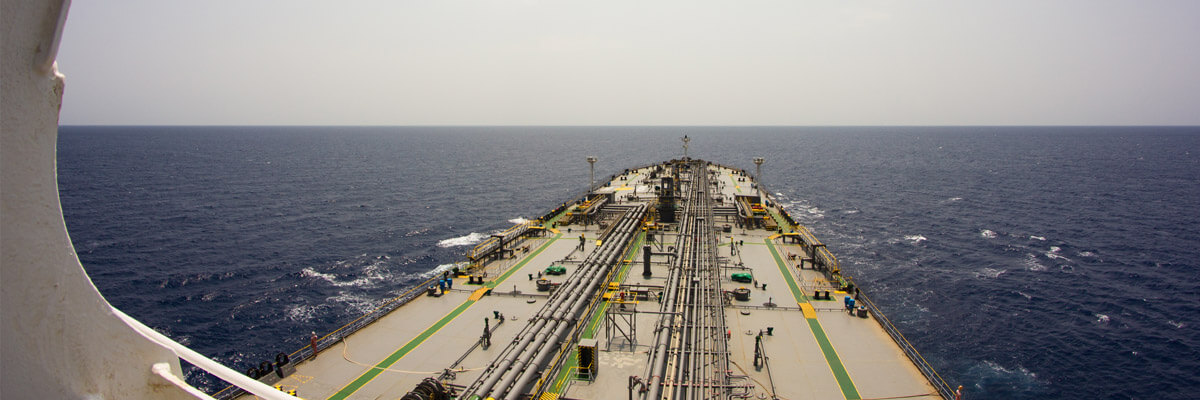
If the war between Russia and Ukraine were to end and sanctions on Russian crude were lifted, we believe the tanker market would face significant upward pressure. Today, most of Russia’s roughly 5 million barrels per day of crude exports are moved on the so-called “shadow fleet” – older tankers operating outside the mainstream market and largely invisible to Western regulation. In a post-war scenario, these exports would need to return to the compliant tanker fleet.
This shift would create an immediate surge in demand for modern, compliant tonnage, while the supply of such vessels remains unchanged. The result would likely be a shortage of available tankers, especially in the Aframax and Suezmax segments, which are heavily used in Russian trades. With limited shipyard capacity, long lead times for newbuildings (typically 2–3 years), and an historically low orderbook, the market could see a prolonged period of elevated earnings across the tanker sector.
That said, despite renewed diplomatic talks, we still believe a peace agreement remains unlikely in the near term, and the war is expected to continue for some time.
Sources: CNN, Financial Times, Reuters, TradeWinds, CREA & Washington Post