

Reopening signals easing dislocation, but vessel positioning and risk appetite will shape the pace of normalization
Tanker: Earnings remain elevated, but VLCC rates experience near-term correction on Hormuz reopening
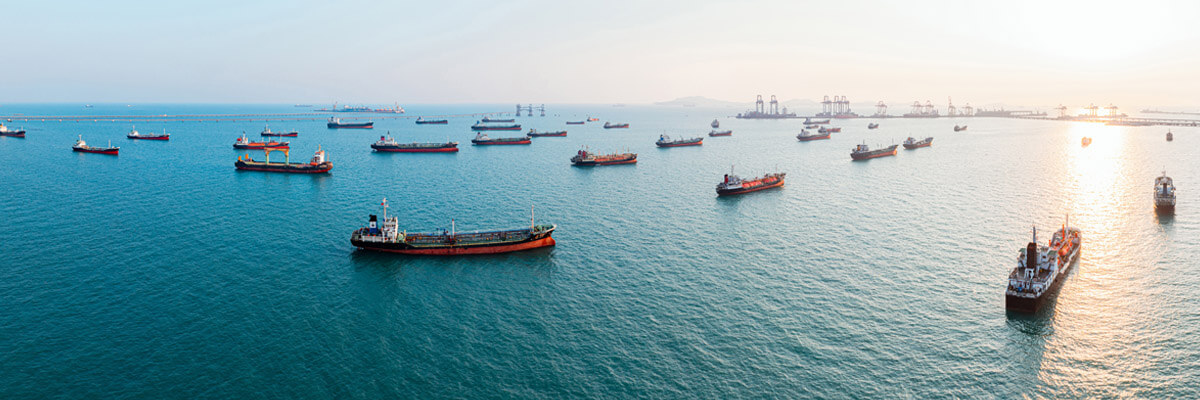
Crude tanker earnings have spiked to dislocation-driven highs following the closure of the Strait of Hormuz, with limited Middle East Gulf liftings concentrating available tonnage in a reduced number of active loading zones. As of 10 April, avg Suezmax USD 158,000 per day, and Aframax USD 211,000 per day. The 7 April ceasefire materially shifts the near-term outlook. In the Gulf, the few cargoes still quoted are already attracting multiple bids, softening rates at the margin. In the Atlantic, rates have remained firm for now, but a growing overhang is building as vessels that repositioned west during the disruption begin to arrive. As more ships compete for a fixed pool of cargoes, downward pressure on rates is expected to accelerate. The pace of normalization will depend on how quickly owners are willing to re-enter the Gulf once transit is deemed safe, which would alleviate the developing Atlantic imbalance. Overall, current earnings levels appear transient, reflecting short-term dislocation rather than a sustainable rate environment.
LPG/VLGC: USG activity sustains rates as owners await confirmation of safe Gulf re-entry
With Middle East Gulf LPG exports largely shut down since the Hormuz closure, US Gulf cargoes have been filling the gap. Asian buyers who would normally source LPG from the Gulf have been turning to the US instead, keeping fixing activity firm in the west. Once the Strait reopens and Gulf export programmes resume, that dynamic is expected to shift. Charterers will have the option to source closer to their destinations again, which will reduce the premium currently attached to USG cargoes and likely soften western VLGC rates. The timing of that transition depends on how quickly owners are prepared to re-enter the Gulf, and any extended period of caution could keep USG rates supported further into Q2 than the ceasefire alone would imply.
PCTC: Car carrier rates unchanged as segment remains structurally insulated from Hormuz
Car carrier rates have been largely unaffected by the Hormuz crisis because the Middle East is primarily a destination for vehicle imports, not a source of exports. Six-to-twelve-month timecharter rates for modern tonnage have held steady at approximately USD 50,000 per day, supported by tight fleet availability and strong automotive export volumes from China and Japan. With the ceasefire now in place, a gradual recovery in Middle East vehicle imports could provide a modest demand boost for the segment, though not enough to move rates significantly on its own. The more durable support comes from the limited number of new car carriers due for delivery over the rest of 2026, which keeps supply growth in check and underpins the current rate floor.
Geopolitical: 7 April ceasefire opens path to Hormuz reopening but shipowners likely to stay cautious
A two-week ceasefire agreed on 7 April between the US, Israel, and Iran is the first realistic opportunity to reopen the Strait of Hormuz since the conflict began. At present, only around 0.7 to 1 mb/d of crude and products is moving through the Strait, against the 20 to 21 mb/d that would normally transit it, with Saudi Arabia and the UAE rerouting a further 5 mb/d via Yanbu and Fujairah as a partial workaround. Oil markets have responded quickly, with Brent and WTI falling sharply from their recent highs of USD 109.70 and USD 114.70 per barrel as traders price in a return of Gulf supply. Even so, a swift physical recovery is not guaranteed. War risk insurers and shipowners will want to see consistent safe passage before committing vessels, meaning the actual recovery in Gulf flows could lag the ceasefire by several weeks. Longer-term questions also remain about the condition of the region’s energy infrastructure after weeks of reciprocal strikes, including attacks on Iran’s South Pars facility and Saudi Arabia’s Jubail complex, which could slow the ramp-up of exports even once the Strait is formally open.
Sources: Baltic Exchange, BRS Tankers, Clarksons Research & Reuters