

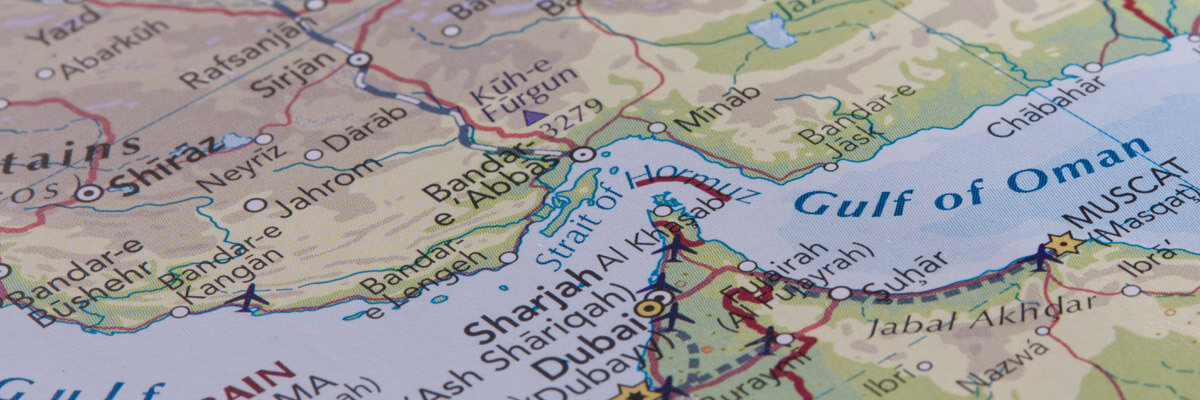
April 7 ceasefire opens diplomatic path, but the Strait remains physically shut for most of the month
April’s geopolitical landscape was defined by the tension between diplomatic progress and physical reality on the water. A two-week ceasefire agreed on 7 April between the US, Israel, and Iran represented the first realistic opportunity to reopen the Strait of Hormuz since the conflict began. Prior to the announcement, approximately 187 laden tankers carrying an estimated 172 million barrels of crude oil and refined products were stranded inside the Strait, according to ship tracker Kpler. Oil markets responded sharply, with Brent and WTI falling from highs of around USD 110 and USD 115 per barrel respectively, though prices remained well above pre-conflict levels. The first ship reportedly passed through the Strait on 8 April, and Iran’s state media confirmed the transit. However, the situation on the water did not meaningfully improve over the following weeks. Iran stipulated that Hormuz passage be coordinated through its armed forces, requiring vessels to use a prescribed route, while the US maintained a formal naval blockade on ships entering and exiting Iranian ports.
Dual blockade and allied fractures complicate normalization
The defining feature of April’s geopolitical environment was the emergence of a dual blockade. The US continued to enforce its naval interdiction, intercepting two Iranian VLCCs that attempted to evade the blockade, while Iran maintained its own closure of the Strait to most international commercial traffic. Iran demonstrated its control on 17 April when gunboats fired on two commercial vessels in the waterway, an escalation that signaled a near-term peace deal was unlikely. Oil and gas volumes equivalent to 13 percent and 5 percent of global supply respectively remained offline.
Resolution timeline remains the single most consequential variable for shipping markets
The Hormuz standoff continues to be the dominant pricing factor across tanker, LPG, and product carrier segments. Only approximately 1.5 million barrels per day are flowing through the Strait, against the roughly 20 million barrels per day that would normally transit. For investors, the key distinction is between headline diplomacy and operational reality: while the ceasefire has reduced the probability of outright military escalation, the physical closure persists and the market impact has not materially eased. A negotiated reopening would release pent-up tonnage demand but introduce repricing dynamics as vessels rebalance from the Atlantic back to the Gulf. A breakdown in talks would keep conditions tight through summer and sustain the elevated risk premiums now embedded in freight, insurance, and commodity pricing. Longer-term questions about infrastructure damage from weeks of reciprocal strikes, including attacks on Iran’s South Pars facility and Saudi Arabia’s Jubail complex, may slow the ramp-up of exports even once safe transit is formally established.
UAE to exit OPEC
At the end of April, UAE announced they will exit OPEC/OPEC+ on 1 May, citing national interest and a commitment to meeting market demand. The move follows growing tensions, as the UAE has invested heavily to expand production capacity to 5.0 million bpd by 2027, well above its current quota of 3.447 million bpd.
The decision is expected to support higher oil production and export volumes over time. It may also trigger speculation about other members reassessing their participation. Overall, this is likely to benefit tanker demand in the short to medium term, as more oil is produced and shipped to global markets.
Sources: Al Jazeera, Associated Press, Bloomberg, International Energy Agency (IEA), Kpler & Reuters