

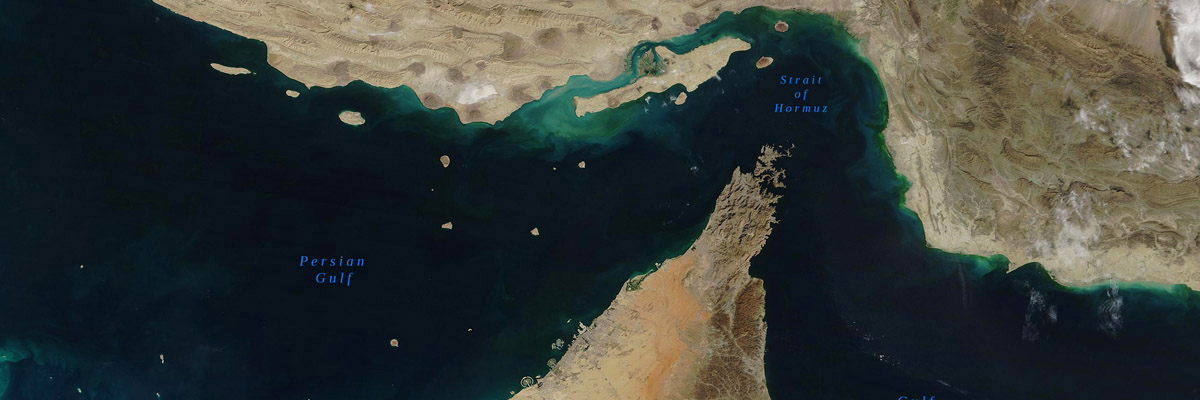
Tanker attacks are intensifying as traffic through the Strait of Hormuz remains severely disrupted, with longer voyages and a shrinking dark fleet adding to pressure on tanker supply.
Tanker attacks intensify as Hormuz traffic remains disrupted
US forces have destroyed at least eight Iranian oil tankers since 5 September, including five overnight into 9 September. The attacks mark a further escalation of the conflict, with Iran retaliating against US warships and commercial vessels in the Persian Gulf. Traffic through the Strait of Hormuz has fallen sharply, with roughly 10 million barrels per day still passing through, around half the pre-war level. The disruption is forcing market participants to reassess both the reliability of Middle East oil flows and the availability of vessels operating in the region.
Longer voyages and fleet attrition support tanker markets
The longer the disruption continues, the greater the impact on tanker capacity. Refiners in India and China are increasingly relying on crude from alternative suppliers, including the Atlantic, creating longer voyages and increasing the number of ships required to move the same volume of oil. At the same time, tanker attacks and the recycling of sanctioned vessels are reducing the dark fleet. Twenty-six sanctioned vessels totalling 2.1 million dwt have been sold for recycling so far in 2026, further reducing the pool of ageing tonnage that could otherwise return to conventional trade if sanctions ease. For compliant owners, the combination of longer voyages and reduced fleet supply is supportive of utilisation and earnings.
Sources: Bloomberg & Clarksons