

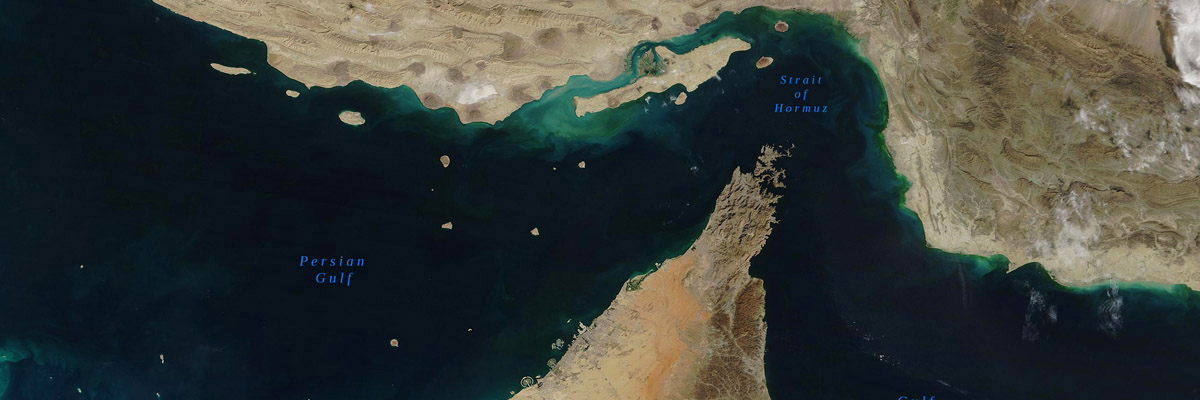
Lower traffic through the Strait of Hormuz is reducing fleet efficiency, while crude flows continue through alternative arrangements.
Hormuz traffic remains heavily disrupted
Tracked vessel transits through the Strait of Hormuz fell to seven on 9 September, around half the recent 10-day average and significantly below pre-conflict levels. The lower traffic reflects continued security risks and has made some shipowners more cautious about using the Strait.
Crude continues to move, but with additional tonnage requirements
Despite lower visible traffic, an estimated 10 million barrels per day of crude continues to move through the Strait, with VLCCs increasingly using ship-to-ship transfers in the Gulf of Oman. Some Middle East-Asia cargoes are also being routed around Africa, adding several weeks to voyage times.
For tanker markets, the key effect is reduced fleet efficiency. Longer voyages and additional ship-to-ship transfers tie up vessels for longer, effectively increasing the amount of tonnage required to move the same volume of crude. This provides continued support to freight rates while the disruption persists.
Sources: Bloomberg, Clarksons Research, gCaptain, Reuters & TradeWinds