

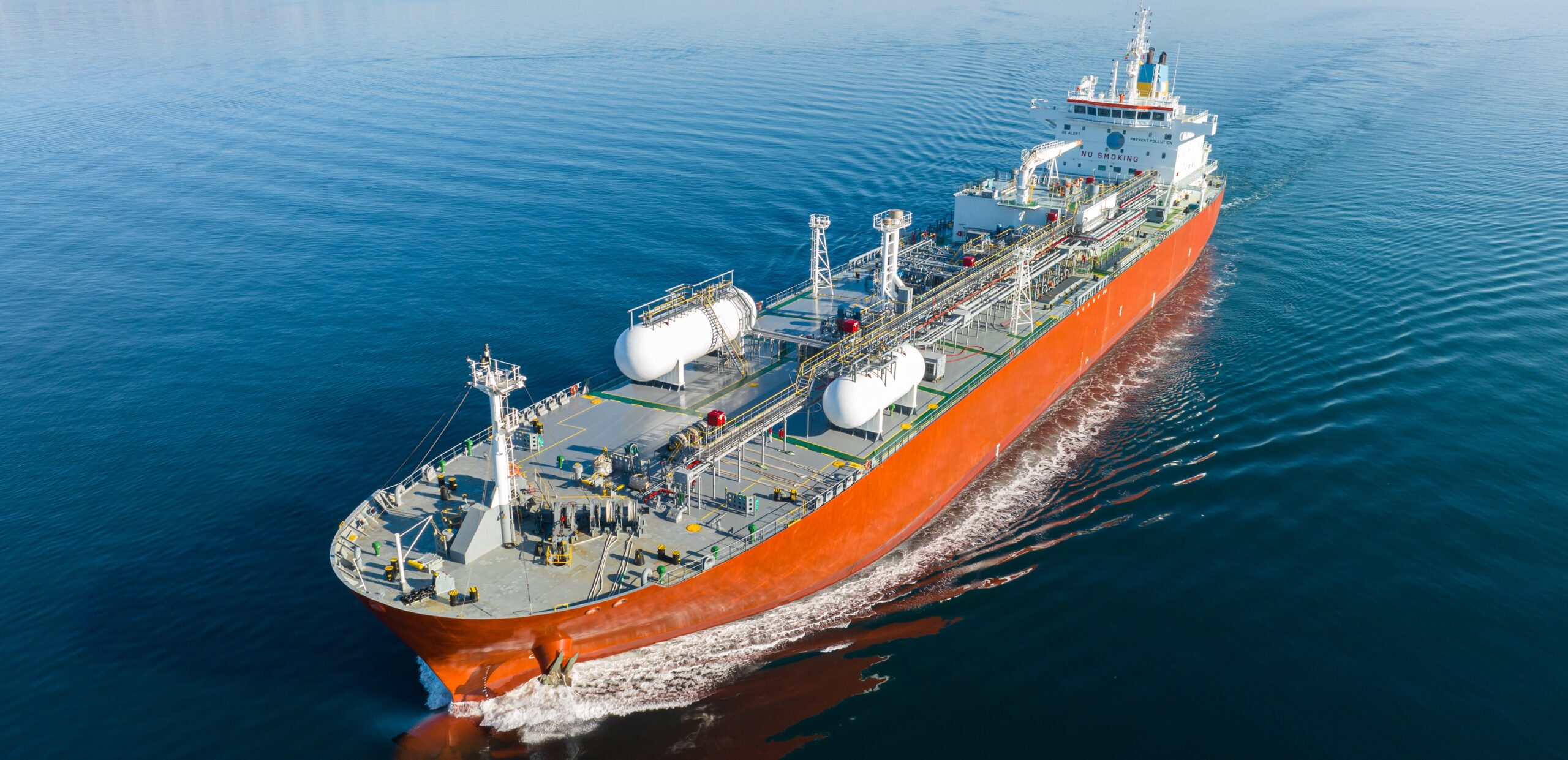
Hormuz attacks and tight vessel supply keep charterers focused on securing ships for longer.
Tankers: Suezmax and Aframax values rise further as spot earnings ease
Average tanker earnings eased 4% week-on-week to about $295,000/day, just below recent records. Gulf exports and ship-to-ship transfer delays continue to absorb vessel capacity. One-year timecharter rates stand at about $180,000/day for Suezmaxes and $100,000/day for Aframaxes, against 2025 averages below $40,000/day. Five-year-old values reached about $145 million for Suezmaxes and $95 million for Aframaxes, up from $80 million and $68 million at end-2025. About 70% of the Suezmax orderbook delivers in 2028 or later, which limits near-term fleet growth and could support charter rates through 2027.
LPG/VLGC: One-year rates climb above $100,000/day as tonnage stays tight
VLGC earnings on the US Gulf to Japan route eased to about $200,000/day, just below the record set the week before. Disruption to Middle East exports keeps Asian buyers dependent on long-haul US cargoes, which absorbs fleet capacity. One-year timecharter rates for modern VLGCs rose to about $110,000/day, against a 2025 average of $42,000/day. Recent sales of 10- to 12-year-old VLGCs at $95–110 million put values close to newbuild prices. The main risk is supply, with deliveries equal to about 11% of the fleet due in 2027.
PCTC: Chinese export growth keeps period rates near $95,000/day
Timecharter rates for 6,500 CEU PCTCs held at about $95,000/day, almost double the 2025 average. Chinese vehicle exports rose 61% year-on-year to 1.05 million units in September, and the year-to-date total already exceeds all of 2025. The most material policy change is an EU and China understanding to cap Chinese hybrid exports to the EU near 350,000 units a year, against up to 800,000 expected in 2026. This could reduce long-haul volumes to Europe, so investors should watch when the cap applies and where exporters send the surplus.
Geopolitics: Gulf oil exports climb above pre-war levels despite the heaviest attacks of the war
Middle East oil exports, including pipeline routes, averaged more than 24 million barrels per day last week, above the pre-war level of 23.3 million, according to Kpler, despite 24 vessels damaged in the first half of October. The extra barrels are unlikely to weaken tanker demand: global oil stocks are about 509 million barrels below pre-war levels, and refilling them should absorb much of the additional supply into 2027. Washington may ease sanctions on shadow-fleet tankers, but this would add little capacity, as most of these ships already trade and EU and UK insurance rules still apply. A deal to reopen Hormuz would reduce freight risk premiums; further escalation would keep vessel supply tight.
Sources: BRS Shipbrokers, CAAM, Clarksons, IEA, Kpler, MB Shipbrokers & Reuters