

The way Middle East Gulf crude now reaches buyers kept the tanker fleet stretched in October, lifting earnings, charter rates and vessel values. How long this lasts depends on security around the Strait of Hormuz and the pace of new deliveries.
Shuttles and split cargoes put mid-size tankers at the centre of the market
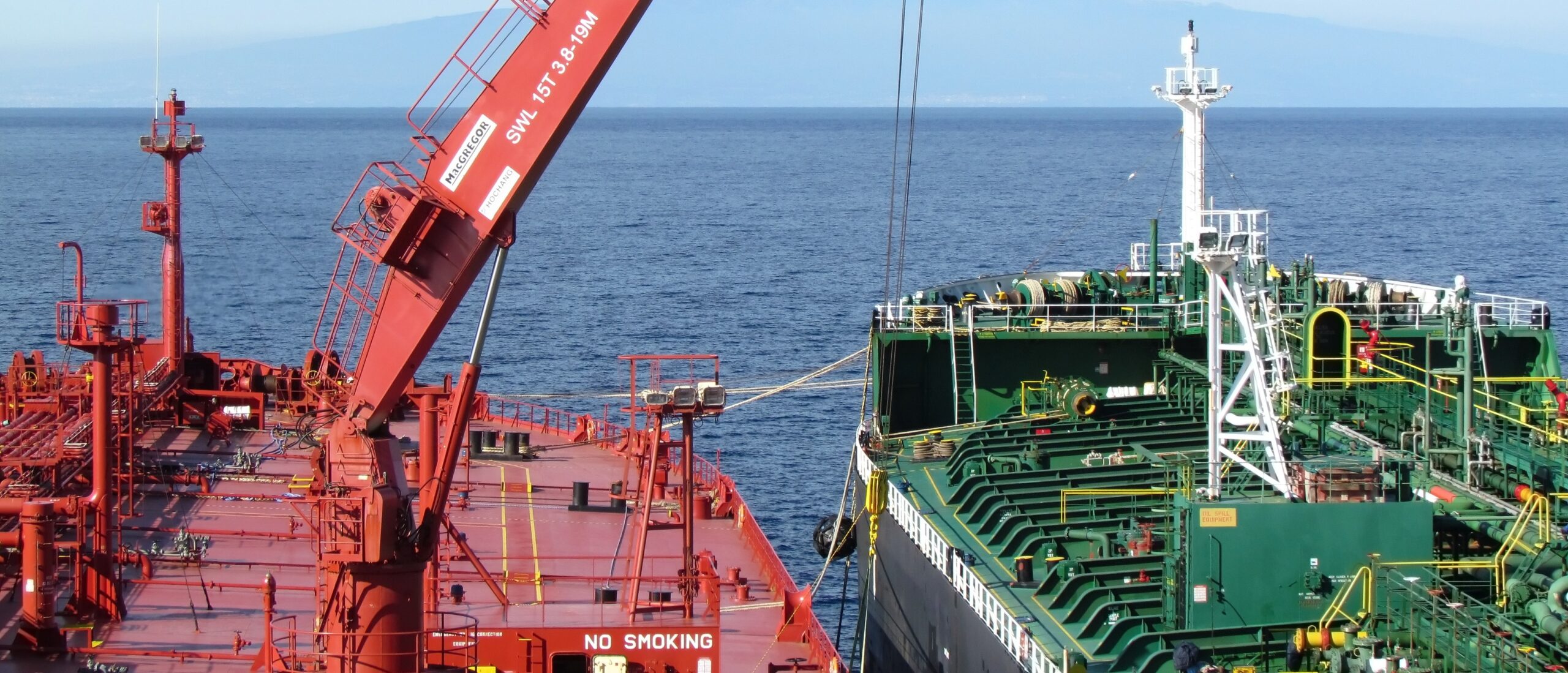
October was one of the strongest months in the history of the tanker market. According to Clarksons, some VLCC fixtures in October exceeded even the early-1970s highs after adjusting for inflation. The cause is not higher oil demand. Gulf crude exports have returned close to pre-war levels, but most crude that leaves the Gulf through Hormuz now moves through shuttle operations, in which tankers carry cargoes through the strait and transfer them to other ships outside it. Each barrel therefore needs more ships and more time. With many of the largest tankers occupied in the Gulf, charterers moved cargoes onto Suezmax, Aframax and LR2 tankers, which benefited most. Earnings eased in the second half of the month as very high freight costs reduced some long-haul trades, but they remain far above normal.
Vessel values rise by around a third in two months
For owners like EMF, the effect depends on how each vessel is employed. Vessels on long-term charters continue to earn their agreed rates, while vessels trading in the spot market benefit directly from the higher earnings. For all vessels, the stronger market has lifted values. A five-year-old Suezmax was valued at around USD 145 million in late October, compared with around USD 108 million at the end of August and well above the price of a new ship. The market also creates opportunities when existing charters expire. The one-year timecharter rate for an LR2 rose to around USD 103,000 per day in late October, over three times its 2025 average of around USD 33,000 per day. Owners whose charters expire can therefore secure considerably higher income for longer periods. Coated Aframax/LR2 tankers can also carry crude when crude earnings are higher, although a return to refined products later requires tank cleaning and time.
Freight futures point to some lower earnings in 2027
Freight futures, which traders use to price expected future spot earnings, point to lower earnings ahead. According to Clarksons, these contracts value Suezmax earnings on the main West Africa to Europe route at around USD 84,000 per day for 2027, almost twice the 2025 average. The central scenario of BRS Shipbrokers assumes that Hormuz traffic returns to normal only from mid-2027, and that some shuttle networks remain in place after any ceasefire because security will remain fragile. On that basis, we expect earnings to stay above historical averages through 2027, provided disruption continues and fleet growth remains limited. Around 70% of the Suezmax orderbook is scheduled for delivery in 2028 or later and rebuilding depleted oil stocks will add further demand. The main risk is a lasting reopening of Hormuz. This would end the shuttle voyages and long waiting times off Oman, return many tankers to normal trading and could bring rates down quickly.
Sources: BRS Shipbrokers, Clarksons Research, International Energy Agency & MB Shipbrokers