

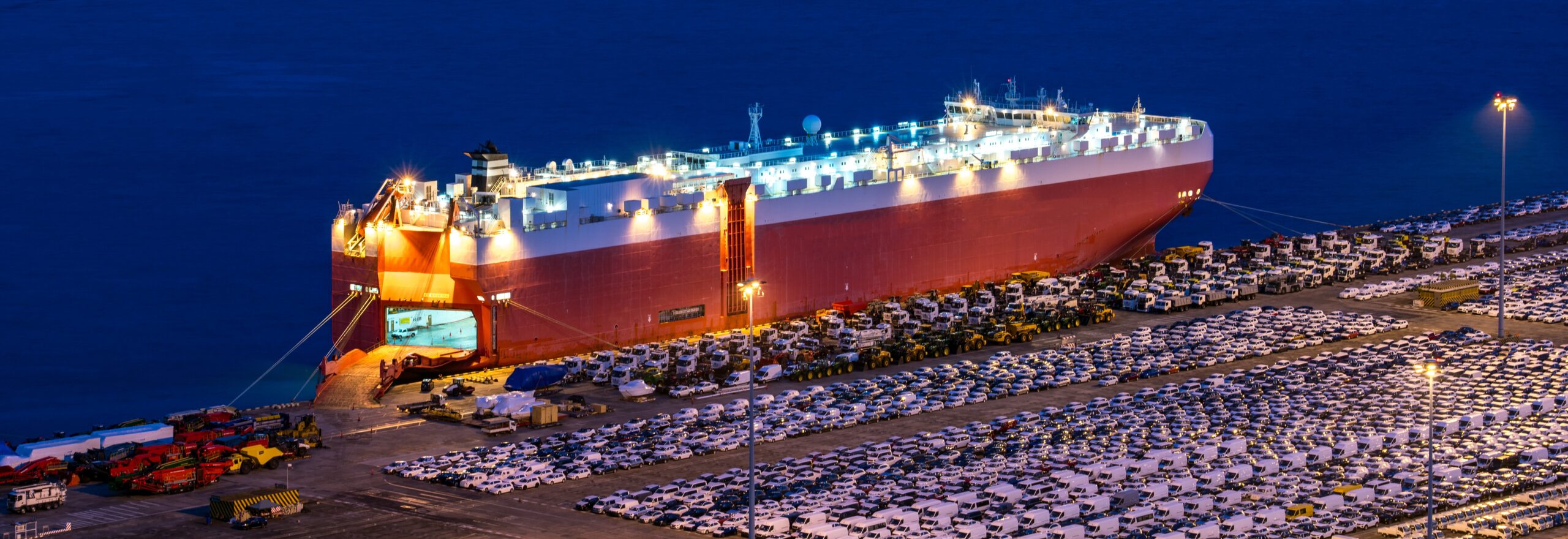
Car carrier rates continue to rise despite fleet growth, while Hormuz disruption limits available tanker capacity
Tankers: Suezmax timecharter rates near USD 150,000 per day despite spot decline
According to Clarksons, Suezmax and Aframax spot earnings fell more than 20% week-over-week, as high freight costs reduced Asian demand for long-haul crude. One-year timecharter rates were about USD 150,000 per day for a Suezmax and USD 90,000 per day for an Aframax last week, far above 2025 averages. BRS expects earnings to stabilise well above historical levels, because shuttle voyages across Hormuz and attack damage continue to remove tankers from the main market. BRS also sees early signs that lower freight costs are reviving Asian purchases of Atlantic crude, which would add long-haul demand.
LPG/VLGC: Earnings remain strong as the US-Asia price gap narrows
According to Clarksons, benchmark US-Japan VLGC spot earnings were about USD 185,000 per day last week, down 5% week-over-week. A smaller price difference between US and Asian LPG made long-haul cargoes less profitable for traders, which reduced new charters. One-year timecharter rates for a modern VLGC were about USD 95,000 per day, 13% below the October average. Panama Canal draft limits at the new locks have returned to normal; more transits would shorten US-Asia voyages and could release VLGC capacity.
PCTC: Timecharter rates reach USD 100,000 per day
According to Clarksons, the 6-to-12-month timecharter rate for a 6,500 ceu car carrier was USD 100,000 per day in November, the third consecutive monthly increase. Rates have risen even though the fleet has grown about 6% this year. About two thirds of the orderbook delivers from 2028, but ordering has accelerated, with 122 ro-ro and car carriers contracted in 2026 so far, against 19 in all of 2025. Clarksons reports that container lines are increasing Red Sea transits; a similar shift for car carriers would shorten Asia-Europe voyages and release capacity.
Geopolitics: Washington signals diplomacy as Gulf export risks persist
President Trump signalled a preference for diplomacy, but Iran indicated that it is not open to negotiating its uranium enrichment programme, according to BRS. Attacks on vessels continued, and Middle East crude exports fell to about 14 million barrels per day in early November, 76% of pre-war levels, according to S&P Global. BRS expects a risk premium on Gulf freight rates to remain even under a formal ceasefire. BRS argues that both peace and renewed escalation would support tankers: peace would create an oil surplus that could trigger 12 to 18 months of restocking, while escalation would again increase competition for available crude.
Sources: BRS Shipbrokers, Clarksons Research, S&P Global