

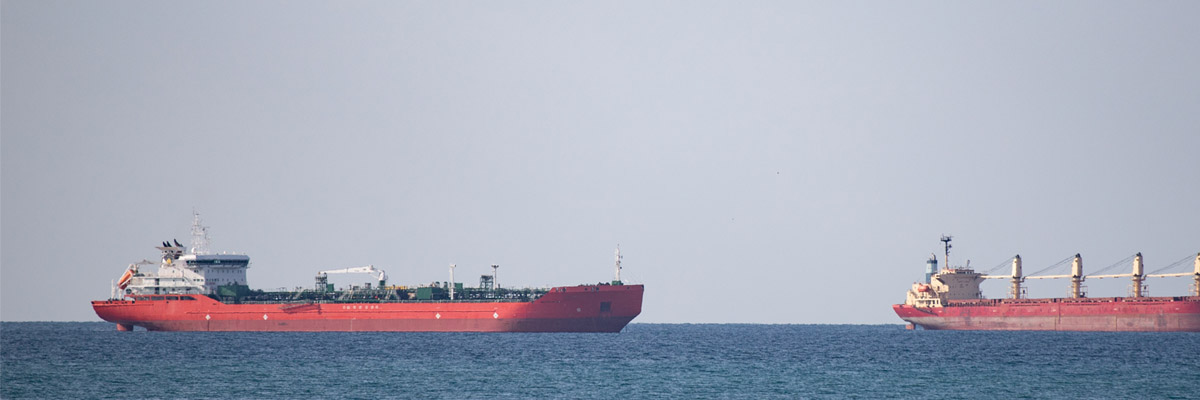
Limited availability of prompt tonnage is pushing buyers to pay a premium for ships that can trade today, while newbuildings ordered now will not deliver until 2029.
Delivery timing is driving a widening premium for modern tonnage
Secondhand crude tanker values have risen above newbuilding prices, reflecting the scarcity of vessels available to trade immediately. A five-year-old Suezmax is now valued at approximately USD 108m, around USD 18m above a newbuilding at approximately USD 90m. For Aframaxes, the premium is approximately USD 10m, with five-year-old vessels valued at around USD 85m versus USD 75m for a newbuilding. The divergence has widened rapidly, with five-year-old Suezmax values up approximately 16% over the past three months and the broader five-year-old tanker index 29% higher than a year ago, while newbuilding prices have increased by only around 1%. With yards now scheduling new orders for 2029 delivery, buyers are paying a premium for tonnage that can generate earnings immediately.
Transactions show that owners are crystallising higher asset values
Recent sales indicate that the repricing is being reflected in actual transactions. CMB.TECH sold the 2024-built Suezmax Bristol for approximately USD 123m, generating a capital gain of around USD 57m, after selling two 2023-built sister vessels in June. Across the tanker sale and purchase market, 387 vessels have changed hands so far in 2026 compared with 466 in the same period of 2025, yet total transaction value has increased from USD 16.4bn to USD 19.3bn. For investors, this indicates that strong freight earnings are being capitalised into asset values, supporting NAVs across crude tanker portfolios and improving the economics of selling modern tonnage. The key downside is that this premium could unwind if Gulf loadings resume and freight rates normalise before the next wave of newbuildings arrives in 2028 and 2029.
Sources: Clarksons Research & MB Shipbrokers