

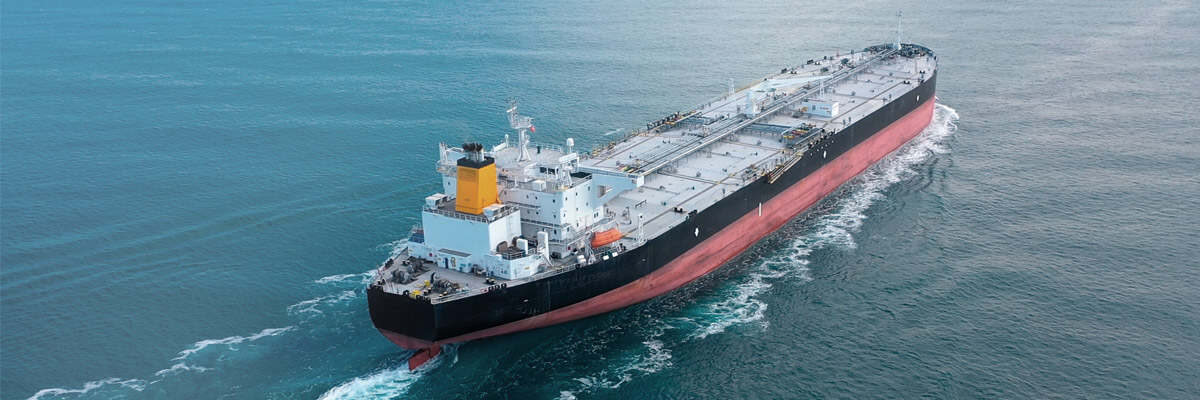
Re-marketing of Venezuelan crude drives structural change in tanker supply
Developments in Venezuela are reshaping global tanker dynamics following the US-led seizure and re-marketing of the country’s oil exports. Commodities traders Vitol and Trafigura have reportedly received authorisation to begin marketing Venezuelan crude, with early discussions underway with buyers in China, India, and the United States. The US is now preparing to market between 30 million and 50 million barrels of seized Venezuelan crude through compliant channels, marking a decisive shift away from opaque, non-compliant trade flows.
Market participants increasingly view this as the start of a multi-year recalibration of the tanker market. A minor portion of the grey or dark fleet has historically relied on sanctioned Venezuelan oil flows. As enforcement tightens, many of these older, non-compliant vessels may struggle to find available “sanctioned” cargo, potentially resulting in a wave of scrappings.
Long-term rise in tanker demand a real possibility
Venezuelan crude marketed through compliant channels could support VLCC demand if volumes move toward China and India, while Suezmaxes and Aframaxes may benefit if exports are redirected toward the US or Europe. At the same time, Canada is positioning itself as an alternative supplier to Asia following the start-up of the Trans Mountain Expansion pipeline, which could partially offset tonne-mile demand in the Pacific.
Overall, Venezuela’s transition from non-compliant trade flows toward enforced compliance introduces a structural tightening mechanism for the tanker market. While short-term trade patterns remain uncertain and for now, not impacted, the erosion of the grey fleet and rerouting of heavy crude flows point to a more constrained tanker landscape over the medium term.
Source: TradeWinds