

Auto export growth supports PCTC demand; VLGC markets remain firm
Tanker: Crude tanker markets re-ignite on Middle East fixing
Tanker markets rebounded strongly over the week as activity picked up following the holiday slowdown. Earnings rose, driven by increased Middle East Gulf fixing and tighter tonnage availability, with fleet-weighted average earnings climbing around 45% week-on-week to the low-$60,000s per day.
Ongoing tensions involving Iran continue to add an underlying geopolitical risk premium to Middle East tanker markets, supporting owner sentiment despite the absence of any immediate disruption to physical flows. Overall tanker earnings rose meaningfully week-on-week, with fundamentals remaining supportive into early 2026.
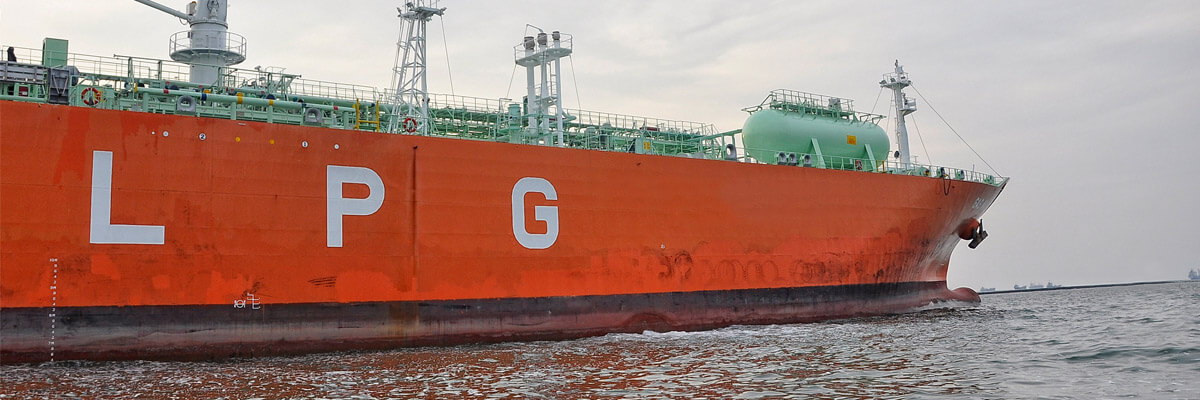
LPG/VLGC: Spot earnings continue to grow
VLGC markets continued to strengthen, led by the Atlantic Basin where tight tonnage availability supported further gains. Spot earnings on the benchmark Houston-Chiba route increased week-on-week to around $75,000 per day, the highest level in four months. While the arbitrage narrowed slightly toward the end of the week, sentiment remains constructive, supported by elevated Panama Canal costs, longer routing, and a balanced forward tonnage list. Activity in the East was more measured, though increased fixing is expected as additional February cargoes emerge.
PCTC: Export growth supports utilisation outlook
PCTC markets remained stable. Looking ahead, Chinese auto exports are expected to increase by up to 25% year-on-year as manufacturers shift excess capacity toward overseas markets amid softer domestic demand, with electric vehicle shipments led by BYD and other Chinese OEMs expanding globally. This export-led growth, combined with resilient vehicle demand in key import markets such as Europe and the UK supports longer-haul trade flows and a stable medium-term outlook for PCTC utilisation.
Geopolitical: Venezuela developments have limited short-term impact
Geopolitical risk remained elevated following a series of developments in Venezuela, including tighter US enforcement actions and further uncertainty around the handling of Venezuelan oil exports. While headlines have been significant, near-term impacts on physical oil balances remain limited, with the primary effect being increased volatility in tanker markets rather than outright disruption. Elsewhere, Red Sea transits continue to recover gradually but remain well below pre-disruption levels, sustaining longer routing patterns and supporting tonne-mile demand across several shipping segments. A return to normal levels in Suez transits will have a negative impact on all shipping segments, with dry bulk and tanker market being the least affected.
Sources: Clarksons & MB Shipbrokers