

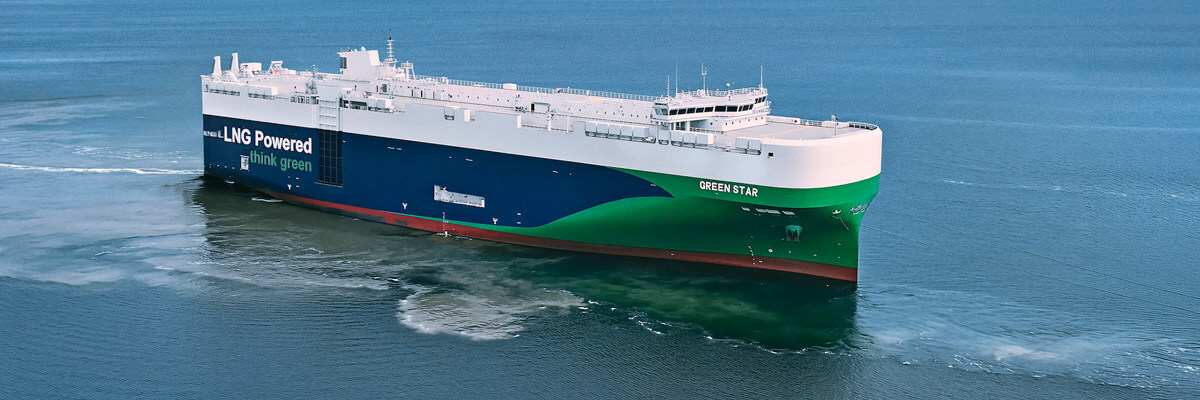
Halfway through 2026, a PCTC market that was widely expected to tip into oversupply has instead tightened further, as Chinese export volumes and European EV adoption continue to outrun a record wave of newbuilding deliveries
Demand has answered the supply question, at least for now
The PCTC segment entered 2026 with a clear bearish consensus: a large orderbook, rising tariff threats, and forecasts of softening rates. Six months later, the opposite has materialised. Chinese vehicle exports reached roughly 8.3 million units in 2025, up more than 30% year-on-year, with electric vehicle exports rising close to 70%, and that pace has carried into the first half of 2026. On the receiving end, European demand is strengthening: battery-electric vehicles now represent 19.7% of the EU market year-to-date, up from 15.3% a year earlier, with particularly strong growth from Chinese brands including BYD and Chery. This sustained export momentum has absorbed newbuilding deliveries on the longest and most profitable trade lanes, effectively preventing the fleet expansion from translating into rate weakness. The Strait of Hormuz crisis has had limited direct impact on the segment, as the main vehicle trade routes run Asia-to-Europe and Asia-to-Latin America rather than through the Gulf, though some Middle Eastern distribution disruption and higher insurance costs weighed on utilisation earlier in the year.
Structural strength outweighs the risks on the horizon
The demand story underpinning the PCTC market is one of the strongest in shipping today. Chinese manufacturers are not simply exporting more vehicles; they are building global brands, and expanding into new markets across Latin America, Southeast Asia. European EV penetration is accelerating, not plateauing. EU tariffs on Chinese EVs and broader US trade policy remain risks worth monitoring, and the orderbook at approximately 17.7% of current fleet capacity means the margin for error narrows if export growth slows. But the trajectory heading into the second half of 2026 is positive: utilisation is high, demand is diversifying across more trade lanes and more vehicle segments, and the market has so far absorbed every newbuilding delivery without softening.
Sources: ACEA, Automotive Logistics, Clarksons Research, China Passenger Car Association