

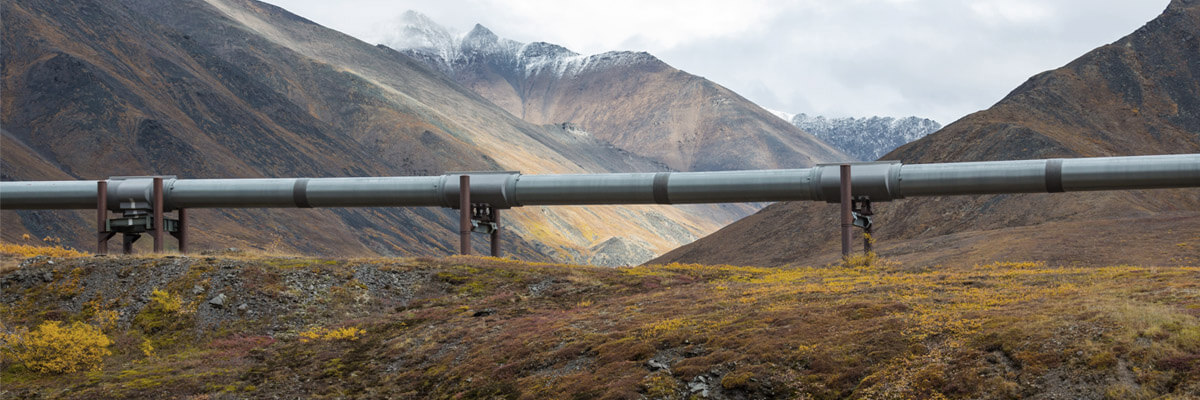
Producers are investing in alternative export routes, a measured response pointing to gradual normalisation rather than permanent disruption
Investment in bypass infrastructure accelerates
Middle East producers are moving quickly to build export capacity that avoids the Strait of Hormuz, closed in practice since late February. The UAE announced its first refined-products pipeline to Fujairah, while Iraq plans to raise crude exports through Ceyhan to around 0.8 million barrels per day by mid-August. Together with further initiatives, pipeline capacity bypassing Hormuz could rise from about 6.5 million barrels per day to close to 10 million over time.
A constructive signal, with measured implications for tanker demand
For tanker markets, this reflects orderly adaptation rather than a near-term threat to earnings. Pipelines take time to build, and the oil still needs vessels to carry it onward to Asia and Europe, so the immediate effect on volumes is limited. Over the medium term, more barrels reaching the coast outside Hormuz would gradually reduce the rerouting premium. The crude loading at Mediterranean Ceyhan would also support utilization of both Suezmax and Aframax tankers, while barrels reaching Fujairah outside Hormuz keep VLCCs and smaller crude carriers employed, so the build-out should support seaborne demand even as it gradually eases the rerouting premium.
Sources: Clarksons Research & Reuters