

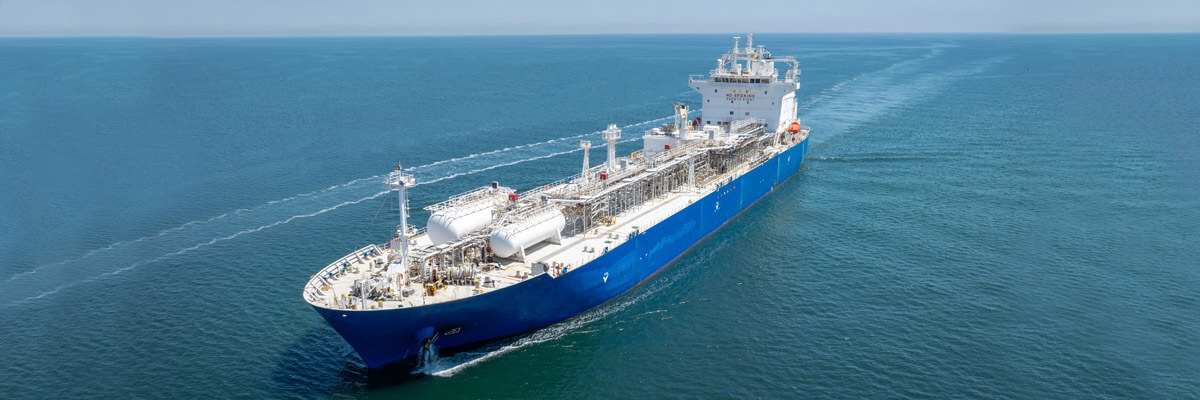
US Gulf exports anchor global flows as dislocation reshapes LPG trade
LPG market sees the strongest rate response as Hormuz flows are constrained
The IEA confirmed this month that LPG is the oil product most affected by the disruption in the Strait of Hormuz. The numbers explain why: laden VLGC transits through the Strait represented 92% of Middle Eastern NGL exports and 34% of global LPG volumes in the prior year, with Asia absorbing 97% of outbound flows. With mainstream operators frozen out, those volumes largely ceased. The Baltic Exchange suspended the BLPG1 Ras Tanura–Chiba assessment, reflecting the absence of observable fixtures. Some selective access emerged for non-Western-linked vessels, but the market remained effectively non-functional.
The US Gulf emerges as the primary functioning export origin
The disruption has accelerated a shift toward US Gulf supply that was already underway. The Houston–Chiba route has become the core functioning benchmark, with Atlantic Basin tonnage running at high utilisation as Asian buyers source alternative cargoes. While fleet growth remains significant, with expansion expected to reach 7% this year and peak at 16% in 2027, including 98 vessels scheduled for delivery in 2026, these deliveries are entering a market where a large portion of global LPG trade is temporarily removed from the functional supply system, partially offsetting the impact of new tonnage.
Structural diversification away from Middle Eastern supply is accelerating
Near-term direction depends on the pace of resolution. A reopening would restore Middle Eastern flows but release a backlog of cargoes, while a prolonged disruption sustains elevated tonne-miles from US routing but risks demand-side pressure in Asia. The underlying shift in trade patterns is already evident. India’s state refiners had planned to increase US LPG imports to 10% of intake this year, up from 7%, a trend now reinforced by recent disruption. For EMF’s VLAC exposure, the longer-term ammonia transition remains intact, with current dislocation accelerating diversification rather than altering the structural trajectory.
Sources: Clarksons Research, Drewry Shipping Consultants, Hellenic Shipping News, IEA, Lloyd’s List, Riviera Maritime Media & TradeWinds