

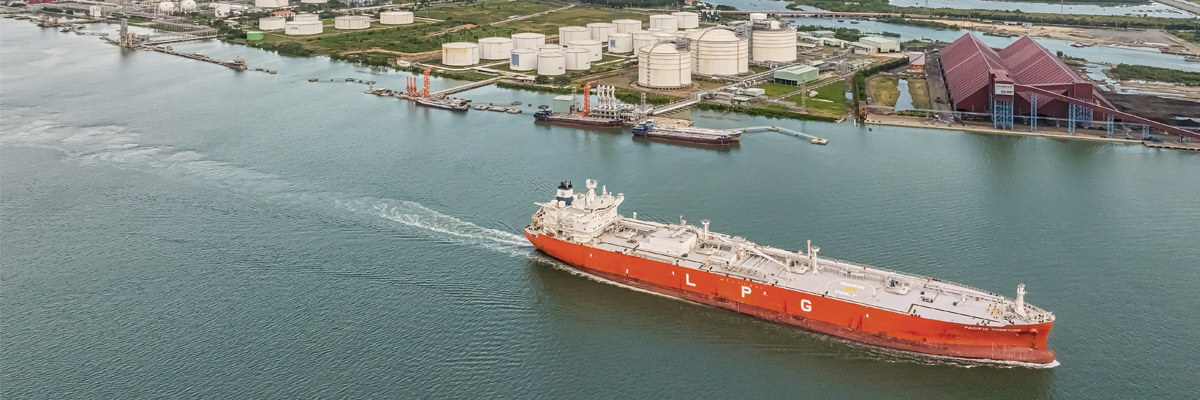
LPG earnings ‘set new record highs’ states Clarksons, while tanker rates ease from recent peaks but remain historically strong
Tankers: Rates normalise from exceptional highs but remain strong
The recent moderation should be viewed less as market weakness and more as a gradual normalisation after an extended period of conflict-driven volatility and extreme earnings. VLCC rates remained particularly strong, supported by altered trade flows and continued uncertainty around Gulf exports, while Suezmax and Aframax markets saw more uneven activity across key regional routes. The broader tanker backdrop therefore remains strong, with constrained flows, changed vessel deployment and longer tonne-mile patterns continuing to support earnings.
The recent moderation should be viewed less as market weakness and more as a gradual normalisation after an extended period of conflict-driven volatility and extreme earnings. VLCC rates remained particularly strong, supported by altered trade flows and continued uncertainty around Gulf exports, while Suezmax and Aframax markets saw more uneven activity across key regional routes. The broader tanker backdrop therefore remains strong, with constrained flows, changed vessel deployment and longer tonne-mile patterns continuing to support earnings.
LPG/VLGC: Record rates as vessel scarcity drives the market
VLGCs were the clear standout this week, with spot earnings reaching fresh record highs as tight vessel availability continued to support owners. Houston-Chiba earnings moved close to USD 180,000/day, reflecting limited open tonnage, elevated Panama Canal transit costs and continued disruption to normal LPG trade patterns. While activity slowed as charterers reassessed cargo economics at current freight levels, the market remains firmly supported by vessel scarcity and a lack of immediate supply relief. Any reopening of Hormuz could reduce some of the current premium, but for now VLGC fundamentals remain exceptionally strong.
VLGCs were the clear standout this week, with spot earnings reaching fresh record highs as tight vessel availability continued to support owners. Houston-Chiba earnings moved close to USD 180,000/day, reflecting limited open tonnage, elevated Panama Canal transit costs and continued disruption to normal LPG trade patterns. While activity slowed as charterers reassessed cargo economics at current freight levels, the market remains firmly supported by vessel scarcity and a lack of immediate supply relief. Any reopening of Hormuz could reduce some of the current premium, but for now VLGC fundamentals remain exceptionally strong.
PCTC: Fleet remains structurally tight across key trade lanes
The benchmark 6,500 ceu PCTC six-to-twelve-month charter rate firmed to $55,000/day, a 13% improvement over the preceding three-month average and a continued recovery from the lows recorded in late 2025. Chinese vehicle export volumes remain the primary demand driver, displacing conventional combustion-engine vehicle flows as EV demand continues to grow. The PCTC orderbook stands at approximately 137 vessels representing around 18% of the current fleet, with the majority of deliveries scheduled for 2027 and beyond, which keeps the near-term supply picture supportive of current rate levels through the remainder of 2026.
Geopolitics: Xi-Trump summit ends without trade deal or Hormuz breakthrough as US tightens Iran sanctions
Geopolitical uncertainty continued to shape freight markets this week. The Xi-Trump summit ended without a major trade deal or clear breakthrough on the Strait of Hormuz, while the US imposed further sanctions linked to the Iran-China oil trade. Physical transits through Hormuz increased only marginally, averaging around 14 vessels per day compared with approximately 125 before the conflict. Brent rose about 9% week-on-week to around USD 109/bbl, reflecting continued supply concerns. For shipping, the key question remains the pace of any Hormuz reopening.
Sources: Bloomberg, Clarksons & MB Shipbrokers