

Diplomatic fractures and a hardening blockade keep tanker market risk elevated
Talks advance but the strait remains closed
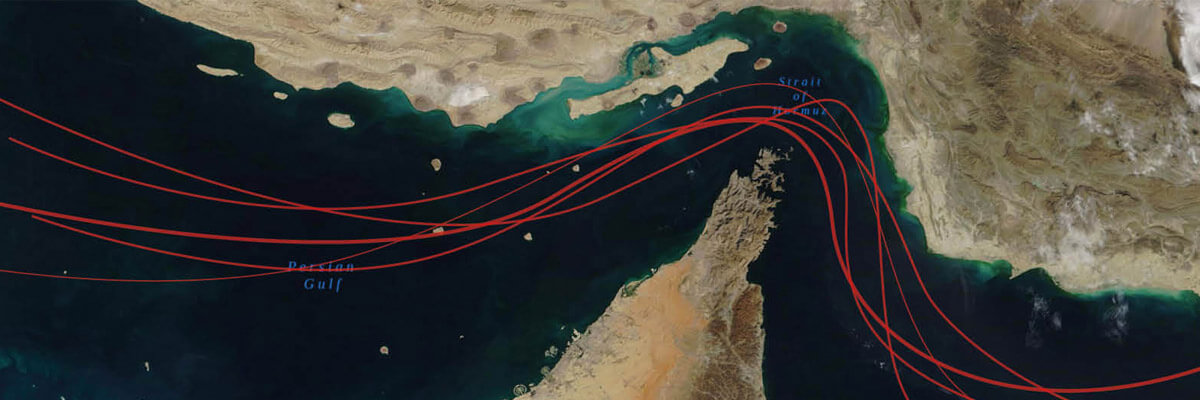
The US and Iran are moving closer to extending a ceasefire and restarting negotiations toward a longer-term peace deal, even as the standoff over the Strait of Hormuz intensifies. The two sides have reached an in-principle agreement to pursue further diplomacy following an inconclusive initial round of talks in Pakistan, with mediators pushing for a compromise on outstanding issues including Hormuz and Iran’s nuclear programme before the April 7 truce expires next week. Despite Trump’s public optimism, tension at the strait remains high, with a US naval blockade cutting off Iranian oil flows while Tehran keeps the waterway closed to other shipments. Iran has warned that a prolonged blockade would amount to a ceasefire breach, with its armed forces threatening to halt all exports and imports across the Persian Gulf, Sea of Oman, and Red Sea if the standoff continues. Oil prices remain elevated, with Brent trading around USD 96 per barrel, roughly 33% above pre-war levels.
Allied fractures complicate the path to resolution
The diplomatic backdrop is further complicated by deepening rifts between Washington and its allies. The US has largely excluded European partners from consultations on the conflict, including decisions around the blockade and the expiry of a waiver on Russian oil. The UK and France, both critical of the war, are expected to host their own conference to discuss restoring free transit through the strait, while most allies have declined to participate in the US blockade. Saudi Arabia, meanwhile, is pressing the US to abandon the blockade over concerns that Iran could retaliate against a Red Sea chokepoint critical to Saudi crude exports. For tanker markets, the combination of a hardening blockade, a fractured coalition response, and an expiring truce represents the most consequential near-term risk factor in global energy trade. A breakdown in talks would sharpen route disruption and war risk pricing across the Persian Gulf; a negotiated reopening would release pent-up tonnage demand but introduce its own repricing dynamics. Either way, the resolution of the Hormuz standoff will define tanker market conditions through the coming weeks.
Source: Bloomberg