

With Hormuz pushing US energy flows toward Asia, a second chokepoint is now reinforcing the strong freight environment
Rising US energy flows are pushing Panama toward full capacity
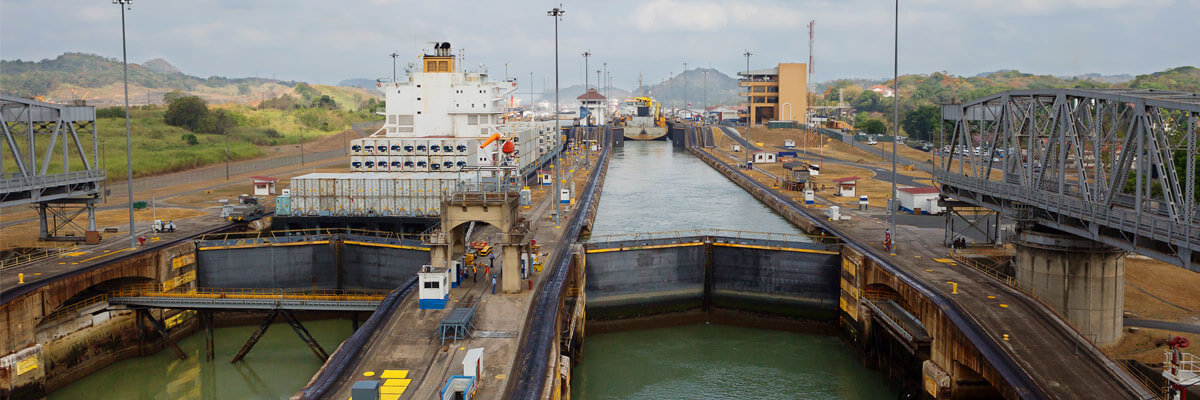
The Hormuz disruption has redirected large volumes of US oil and gas toward Asia, much of it through the Panama Canal, which carries more than a fifth of global LPG. Daily transits have run near full capacity at about 40 vessels since March, with waiting times rising to around 50 hours and auction slot costs tripling to roughly $0.4 million. Longer queues have pushed more US-to-Asia voyages around the Cape of Good Hope, a route up to 70% longer that has helped support record VLGC earnings.
A weather-sensitive source of support that owners should watch closely
Panama now provides a second layer of support on top of Hormuz, with its own near-term catalysts. Scheduled maintenance will cut transits between 9 and 17 June, while a likely El Niño into late 2026 could lower water levels and restrict capacity into early 2027, much as the 2023–24 event capped transits up to 40% below normal. The balance of risk leans toward continued support for tonne-mile demand, though any easing of congestion would shorten voyages and soften rates quickly.
Source: Clarksons Research