

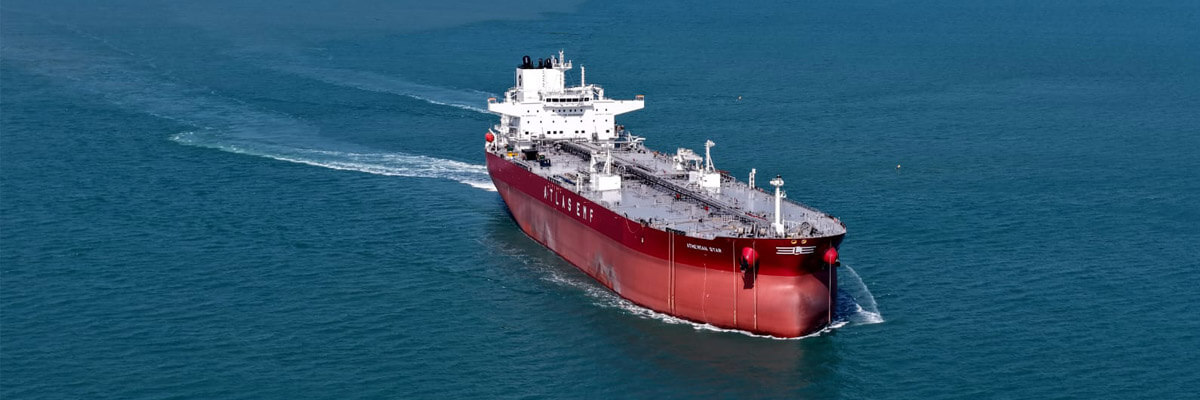
The agreement is signed, but the Strait remains physically constrained while mine-clearance proceeds
Tankers: VLCC rates jump 87% as owners hold back ahead of Gulf cargo flows
VLCC earnings rose 87% to approximately $195,000/day after the US-Iran agreement on 18 June 2026 raised expectations of restored Middle East oil flows. Owners pulled back from fixing, anticipating further rate gains, while charterers struggled to agree on terms. Suezmax markets also strengthened, led by active demand in West Africa and the Americas. If cargo volumes from the Gulf recover as the Strait reopens, VLCC rates should rise further; delays in mine-clearance will limit how quickly the sentiment gain converts into concluded deals.
LPG/VLGC: Middle East supply routes remain constrained despite Hormuz deal
The US-Iran agreement on 18 June 2026 raised hopes for a resumption of direct gas exports from the Middle East Gulf, but physical flows remain limited. Most vessels capable of transiting Hormuz freely are committed or scarce, and ship-to-ship transfer operations off Oman and India continue to serve as the primary workaround for getting Middle East product to Asian buyers. US exports to Asia remain active but the economics have weakened as the prospect of restored Middle East supply weighs on the market. The key development to watch is whether the 30-day mine-clearance deadline is met, which would allow Gulf producers to resume normal export volumes and ease the current supply constraints.
PCTC: Rates hold at $65,000/day as new orders confirm long-term demand
Six-month charter rates for large car carriers held at $65,000/day, roughly 22% above where they stood three months ago, supported by firm demand for vehicle shipping capacity. Sallaum Lines placed orders for four new vessels due in 2028, adding to an already substantial order pipeline that represents about 18% of the current fleet. Car carrier trade routes run primarily between Asia, Europe, and North America, giving the segment limited direct exposure to the Hormuz situation. Lower oil prices following the agreement reduce fuel costs for operators, providing modest additional support to margins.
Geopolitics: US-Iran deal opens Hormuz on paper; most ships still waiting
President Trump and Iranian President Pezeshkian signed a memorandum of understanding on 18 June 2026, opening the Strait of Hormuz toll-free for 60 days, suspending sanctions on Iranian oil exports, and setting a 30-day deadline to clear mines and military obstacles. By 19 June, approximately 25 vessels per day were transiting, up from around 10 before the agreement, but still well below the pre-conflict level of approximately 125 per day; tankers carrying an estimated 85 million barrels remained staged behind the Strait awaiting clearer safety guidance. Vice President Vance postponed further talks in Switzerland on 19 June, a reminder that the broader political agreement remains unfinished. The pace of mine-clearance is the key variable: if the Strait is declared safe within 30 days, cargo flows will accelerate and the current rate spike will be replaced by a sustained recovery; if clearance stalls, most owners will remain cautious.
Sources: Baltic Exchange, Clarksons Research, MB Shipbrokers