

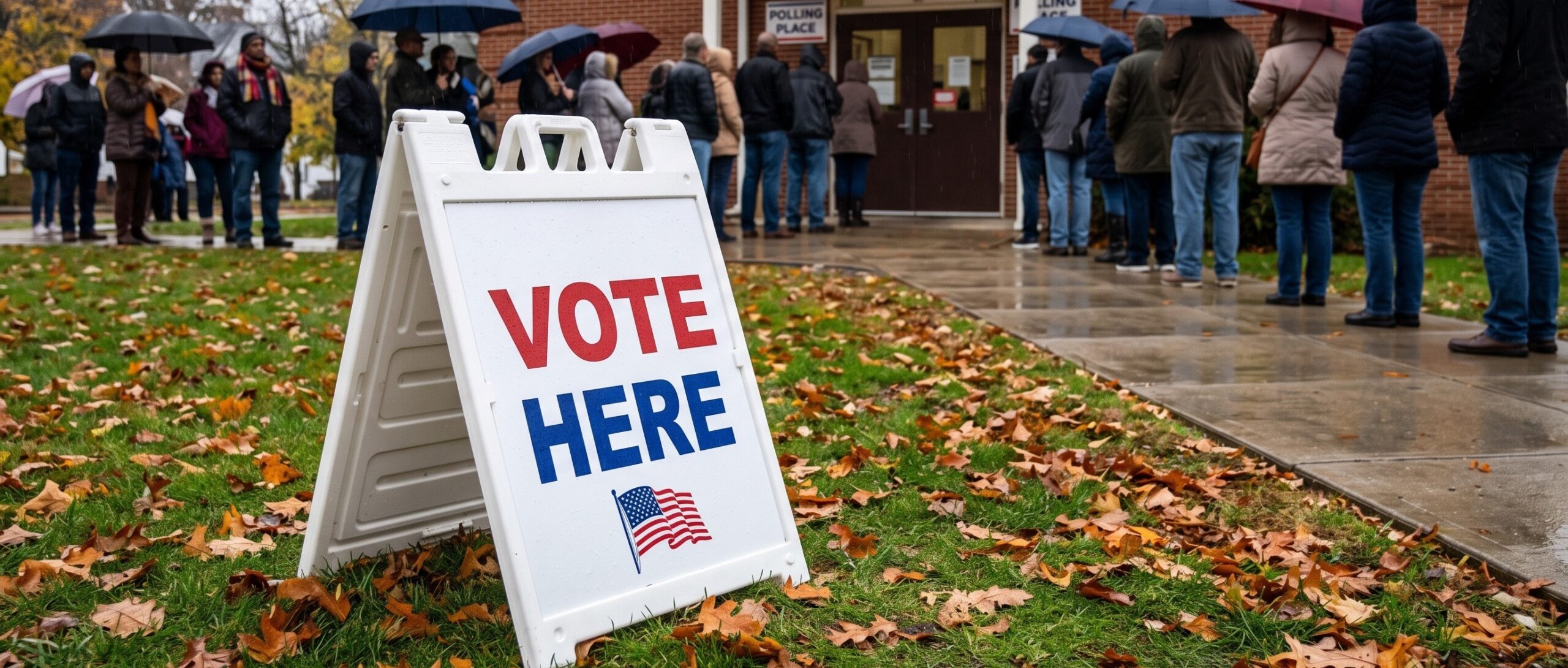
The vote
ends a pre-election pause, but the result will not change US policy on Iran
immediately
Why the midterms matter for the war
The US-Iran war began with US and Israeli strikes on 28 February. It
became a central election issue because it pushed up fuel prices for American
voters: US petrol prices have risen by nearly 50% since the war began. Before
the vote, President Trump said the US would not attack Iran before the 3
November elections and that the conflict would “end immediately after the
elections”. The vote therefore ends a political pause, although US forces carried
out limited strikes on Iran’s Qeshm Island on 2 November, which officials said
were not a return to major combat.
What the
result can and cannot change
The election result does not take immediate effect, because the new Congress
does not sit until January 2027. Even with a majority, Democrats would have
limited tools to end the war, because any such measure would face a
presidential veto that needs a two-thirds majority in both chambers to
override. A Democratic majority would bring more oversight of the war, but it
is unclear whether this would change policy or only make it harder for the
White House to act. Some analysts argue that a Republican defeat could make
renewed strikes more likely, because President Trump cannot run for office
again and would have less to lose.
What it means for tanker markets
For shipping, the next decision in Washington matters more than the
election result. Iran has offered to reopen the Strait of Hormuz within two
days if the US lifts its naval blockade of Iranian ports and grants sanctions
relief, which would likely reduce the security premium in freight over time.
Renewed strikes would raise risk again: Iran has warned of a response “without
geographical restriction”, and attacks on commercial vessels reached a record
30 in October. The period market already prices some normalisation: the
three-year Suezmax timecharter rate was about USD 77,500 per day last week,
less than half the one-year rate. A deal would bring that normalisation
forward, while renewed strikes would delay it.
Sources: Al Jazeera, CBS News, Clarksons
Research, Gulf News, Punchbowl News, The National