

Hostilities complicate operations as June rates rose sharply before normalizing
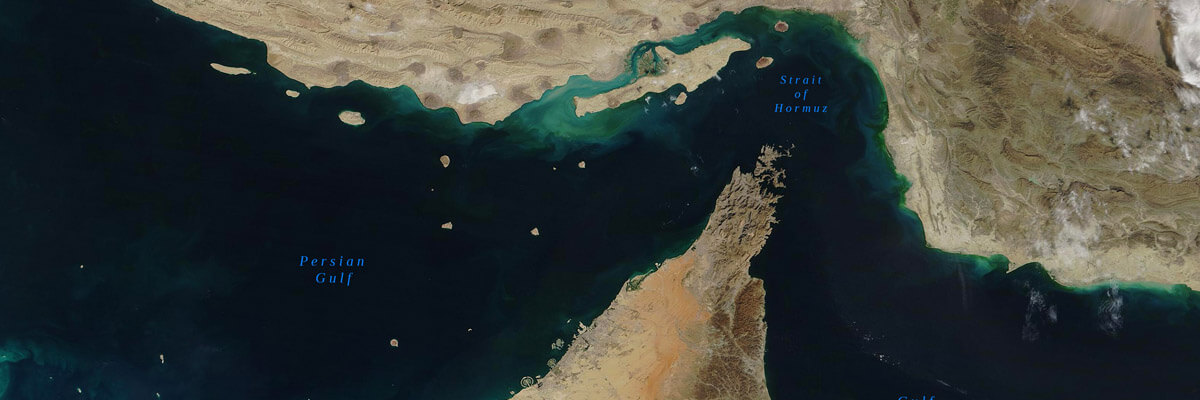
June was marked by a sharp escalation in the Iran-Israel conflict, beginning with Israeli airstrikes on Iranian nuclear and military infrastructure. In retaliation, Iran launched hundreds of ballistic missiles and drones, targeting major Israeli cities. The United States later joined the conflict, conducting direct strikes on Iranian nuclear sites. Tensions peaked as Iran’s parliament voted to potentially close the Strait of Hormuz – though such a move remains unlikely.
Tentative ceasefire, persistent risk
By late June, a temporary ceasefire was brokered by the US, although mutual violations were reported within hours. Signal jamming in the region has disrupted tracking for over 1,000 commercial vessels, adding uncertainty and logistical complexity to regional trade routes.
Impact on shipping: longer routes, higher premiums
Rising geopolitical risk has driven oil price volatility and rerouted shipping traffic away from the Middle East Gulf. The result: extended voyage times, elevated insurance premiums, and tightened vessel supply. For compliant shipowners, this environment has translated into higher freight rates – particularly for tankers and gas carriers. Should conflict persist, rerouting via the Cape of Good Hope and rising tonne-mile demand could support elevated earnings well into Q3. Recent signs of de-escalation in the conflict have begun to emerge, suggesting that the market upswing may have been short-lived – just as anticipated two weeks ago.
Source: TradeWinds & Reuters