

Growing EV penetration and automakers’ expanding use of China as an export base are lengthening trade routes and tightening vessel availability
Record export volumes and broader trade lanes support structural demand growth
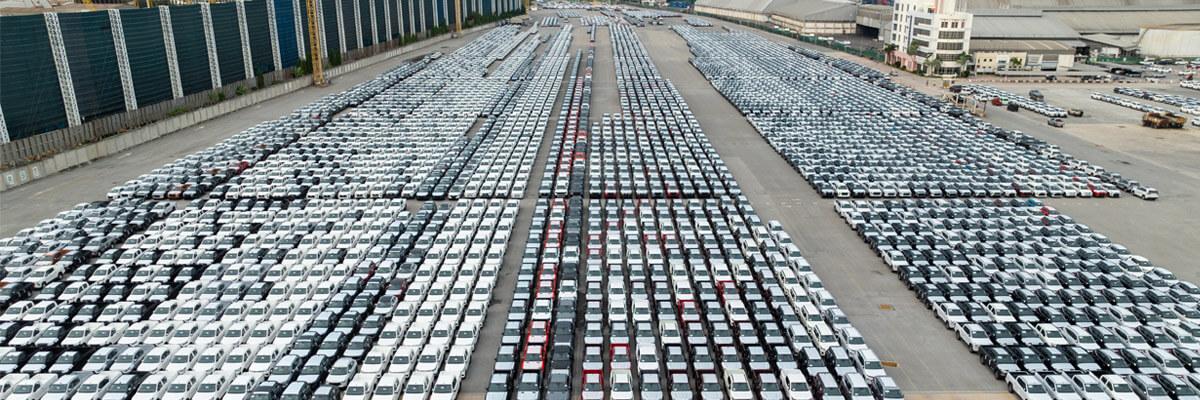
China’s passenger vehicle exports rose 61% year-on-year in the first four months of 2026 to 3.1 million units, driven by both domestic EV manufacturers and global automakers increasingly using Chinese production capacity for overseas markets. Volkswagen, BMW, Nissan, Hyundai and Stellantis are among the companies expanding China-based exports, supported by lower production costs, advanced EV technology and available manufacturing capacity. At the same time, the IEA expects EVs and plug-in hybrids to account for nearly 30% of global vehicle sales this year, with total EV sales forecast to reach 23 million units and particularly strong growth in Europe, Latin America and Asia-Pacific. The combination of accelerating EV adoption and China’s expanding role as a global export hub is translating into higher seaborne vehicle volumes across longer-haul trade routes.
Extended voyage distances support vessel utilisation and earnings visibility
For the PCTC segment, the shift in trade geography is as significant as the increase in absolute volumes. Rising Chinese exports to Europe, Latin America and emerging markets are extending average voyage distances compared with legacy intra-regional flows, boosting tonne-mile demand beyond what headline unit growth alone implies. While the PCTC orderbook continues to absorb a wave of newbuildings, incremental demand from longer-haul China-origin shipments is helping support fleet utilisation. Foreign brands also account for a growing share of China-origin exports alongside domestic manufacturers, broadening the export base, reducing single-brand concentration risk and reinforcing the durability of the current demand cycle.
Sources: Clarksons, Financial Times & IEA