

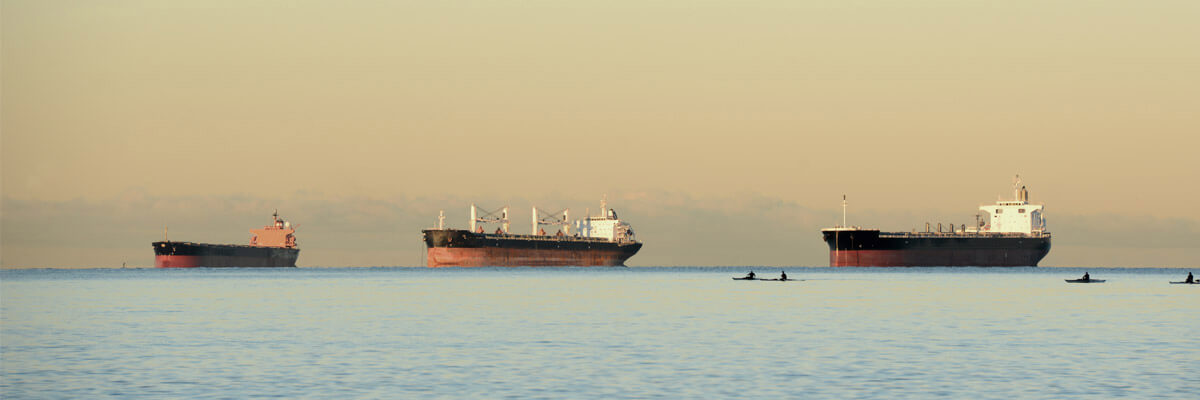
The US-Iran agreement was supposed to end the war and reopen the Strait of Hormuz. Two weeks later, both sides are accusing each other of breaking it
The deal that was meant to end the crisis may be just the beginning of a new one
On 17 June, the United States and Iran signed a memorandum of understanding to end the war and reopen the Strait of Hormuz. Oil prices dropped immediately, falling to approximately $71 per barrel by end-June, back to where they were before the conflict began. Vessel traffic through the Strait picked up, reaching a single-day high of 62 commercial crossings on 24 June, the most since the war started, though still roughly half of normal levels. For a brief moment, it appeared the worst was over. But within days, the agreement came under severe strain. Israel continued military operations in southern Lebanon, which Iran argued was a direct violation of the deal’s requirement to stop hostilities “on all fronts.” On 20 June, Iran accused Washington of acting in bad faith and declared the Strait closed again. The following week, the containership Ever Lovely was struck by a projectile off the Omani coast, the first attack on a commercial vessel since the ceasefire. The US blamed Iran; Iran denied responsibility. Both sides launched retaliatory strikes, with the US hitting Iranian military targets and Iran firing missiles at US bases in Kuwait and Bahrain. By the end of the month, the two sides agreed to resume talks in Doha, but the pattern of signing agreements and then disputing their terms has become the defining feature of this conflict.
Whether the Strait fully reopens remains an open question
The deeper issue is not whether a deal exists on paper, but whether the two sides can agree on who controls the Strait. The US has backed a UN-supported shipping corridor running close to the Omani coastline, while Iran insists all vessels must use its designated northern route and seek permission from Tehran before transiting. Iran has also signalled that once the 60-day toll-free window expires, it may charge vessels for passage, a position that has no precedent under international maritime law. As Eurasia Group analyst Gregory Brew noted in Fortune, it is ultimately shipping and insurance companies, not governments, who decide whether the Strait is truly open, and with war-risk insurance still running at many times pre-conflict levels, most commercial operators remain cautious. The central shipping channel also remains mined, with clearance expected to take weeks. For investors, the most realistic expectation is a gradual and uneven reopening rather than a return to normal. The deal has created a framework, but the framework is being tested every day.
Sources: Al Jazeera, Clarksons Research, CNBC, Fortune, IEA, Reuters