

Geopolitics disrupting goods trade – crude market improves
Tankers: Earnings rebound after demand increase
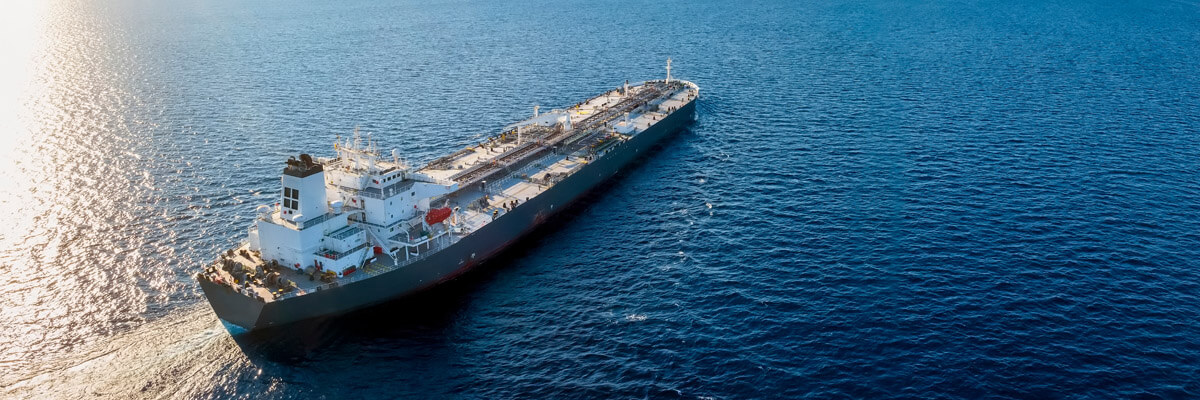
Crude tanker sentiment strengthened after last week ‘s softness. Average VLCC earnings rebounded by 26% week-on-week, supported by firmer demand and limited tonnage. Suezmax rates also rose slightly, while Aframax markets remained active in the North Sea and Mediterranean.
The US sanctioned a Chinese teapot (small-sized) refinery and the Rizhao Shihua Crude Oil Terminal, which handles roughly 9% of China’s crude imports. Despite increased enforcement, Iranian exports remain steady at about 1.5 million barrels per day. OPEC+ confirmed a further 0.14 million bpd production increase in November, in line with October levels.
LPG: Market remains fairly subdued
VLGC spot market activity stayed subdued, with high Panama Canal fees continuing to pressure earnings and support Panamax premiums. Average Houston–Chiba rates fell by 8% week-on-week. The East saw muted activity as USTR-impacted ships competed for limited cargoes, while several uncommitted vessels diverted toward the US Gulf where fixing remained slow. In the West, a few discounted fixtures were reported around the mid-USD 120s, with roughly ten vessels still open for October and only limited remaining demand.
PCTC: Tariffs still causing disruption
Global car carrier dynamics remained influenced by evolving trade and policy shifts. China, as a retaliation, announced new port fees on US-owned, operated, or flagged vessels starting October 14, mirroring US charges and adding pressure to trans-Pacific trade. Meanwhile, the US will impose a 25% tariff on imported medium and heavy-duty trucks from November 1, raising concerns over supply chain disruptions.
Geopolitics: US/China trade friction looms large
Rising trade friction between the US and China – spanning new sanctions, port fees, and countermeasures – continues to influence the shipping markets. The International Maritime Organization ave this week voted on the Net-Zero Framework, which the US strongly opposed. Additionally, Israel and Hamas announced a ceasefire, hopefully leading to less conflict in the Suez Canal and lower war risk premiums for vessel owners.
Sources: Clarksons, Tradewinds and Reuters