

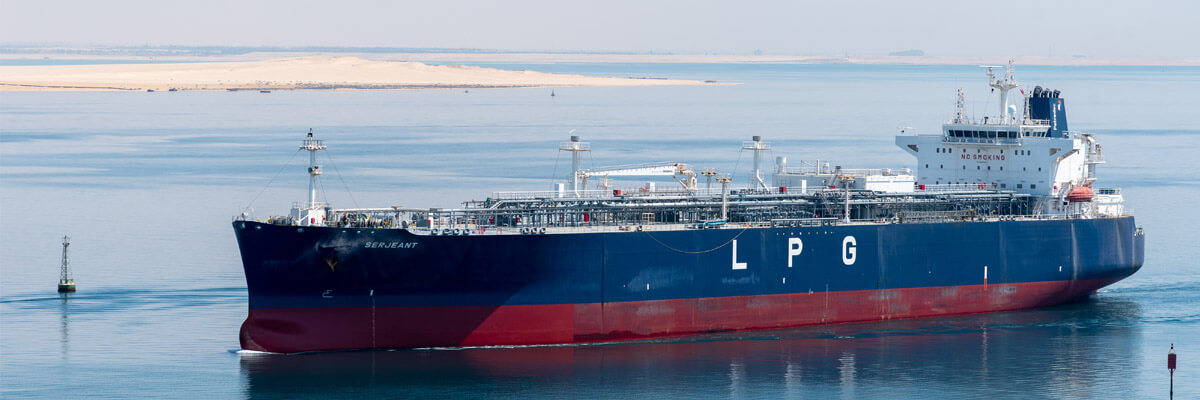
Record VLGC rates, resilient tanker earnings and a 10% surge in PCTC charter rates signal continued strength across segments
Tankers: Mixed moves across size classes as Hormuz closure keeps structural floor intact
The crude tanker market softened slightly week-on-week as limited visible cargo activity applied modest downward pressure throughout the segment, though the move reflects a normalisation from exceptional levels rather than any structural deterioration. Suezmax rates eased to approximately USD 124,000 per day while Aframax rates firmed to around USD 111,000 per day, with both segments continuing to trade at highly attractive levels relative to 2025 averages. Hormuz transits averaged approximately 11 vessels per day following Iran’s re-declaration of closure, approximately 93% below pre-conflict levels. The physical closure shows no credible signs of resolution, and any partial normalisation of crude flows would trigger immediate restocking demand across global inventories keeping the structural floor for freight firmly in place and limiting the downside from current levels.
LPG/VLGC: Spot rates hit record highs once again as tonnage scarcity drives a sellers’ market
The VLGC market continued to tighten, with spot rates on the benchmark Houston-Chiba route reaching a record USD 252/mt by Friday up from USD 235/mt at the start of the week. The move was driven by a persistent imbalance between available cargoes and tonnage, with charterers competing for a shrinking pool of vessels. The ongoing closure of the Strait of Hormuz has effectively eliminated Persian Gulf liftings, concentrating Asian demand entirely on US Gulf exports and structurally extending voyage distances. Combined with rising Panama Canal waiting times, effective vessel supply remains materially tighter than headline fleet numbers suggest.
PCTC: Charter rates surge 10% as fleet availability tightens further
The car carrier market strengthened materially this week, with six-to-twelve-month timecharter rates for modern tonnage rising approximately 10% to around USD 55,000 per day, supported by limited near-term vessel availability and continued vehicle export demand across the key Asia-Europe and transpacific lanes. The segment continues to demonstrate structural insulation from the Hormuz closure, as the Middle East functions primarily as a vehicle import hub rather than an export source, limiting the conflict’s direct freight impact on car carriers.
The PCTC orderbook stands at approximately 19% of current fleet capacity, with deliveries spread across the coming years. Near-term vessel availability remains limited, providing continued support for the current rate environment and underpinning a constructive outlook for the segment in the near to medium term.
Geopolitics: Hormuz blockade enters third month as oil prices ease from four-year highs and the possible effects of UAE’s exit from OPEC
The dual blockade of the Strait of Hormuz shows no signs of resolution, with the US and Iran making no meaningful progress towards a conflict resolution. Global oil prices eased this past week after hitting a four-year high of more than USD 126 per barrel, as hopes for a durable settlement continue to fade. Despite the scale of the disruption, with approximately 18 million barrels per day initially cut off from global markets, prices have remained somewhat lower than might be expected.
The UAE’s exit from OPEC and the wider OPEC+ with effect from 1 May signals an intent to ramp up production without quota constraints once geopolitical conditions allow, though any meaningful impact on global supply remains a medium-term development. Past oil price shocks suggest the full economic impact on activity and employment typically takes three to six months to materialise.
Sources: Clarksons, MB Shipbrokers & Reuters