

Tanker earnings ease but remain structurally elevated
Tankers: Earnings soften from peak but hold well above 2025 averages
The crude tanker market softened week-on-week as limited visible cargo activity applied downward pressure across all size classes, though the correction reflects a normalisation from extraordinary levels rather than a structural retreat. Suezmax and Aframax declined to approximately USD 127,000 per day and USD 107,000 per day respectively, still representing solid levels. Hormuz transits averaged approximately 10 vessels per day following Iran’s re-declaration of closure on 18 April, approximately 97% below pre-conflict levels in tonnage terms, with more than 20 VLCCs now queuing at Yanbu as Saudi Arabia reroutes volumes through its Red Sea terminal. Without a credible Hormuz reopening any partial normalisation of crude flows would trigger immediate restocking demand across global inventories, keeping the structural floor for freight firmly in place.
LPG/VLGC: Houston-Chiba earnings reach a two-year high
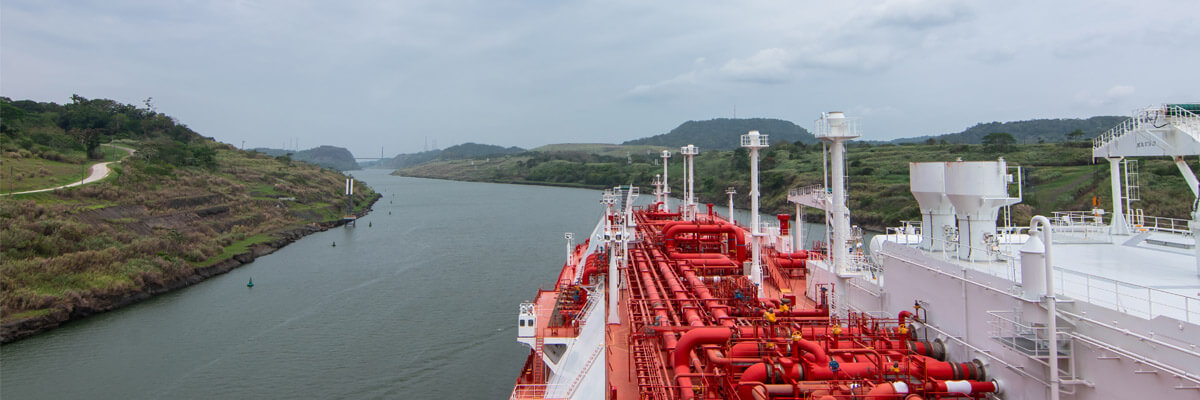
The VLGC market recorded only a handful of fixtures this week, but limited activity did not translate into softer sentiment, with Houston-Chiba earnings rising approximately 6% week-on-week as charterers competed for a constrained tonnage list. The MEG market remained effectively inactive, with Hormuz disruption having eliminated Persian Gulf liftings entirely and redirected Asian demand to the US Gulf. Panama Canal waiting times have risen approximately 60% this month, compounding the tonne-mile extension from Cape routing and further tightening effective vessel supply.
PCTC: tight fleet availability keeps six-to-twelve-month charter rates steady
The car carrier market held firm, with six-to-twelve-month timecharter rates for modern tonnage steady at + USD 50,000 per day, supported by limited near-term vessel availability and continued vehicle export demand across the key Asia-Europe and transpacific lanes. The segment remains structurally insulated from the Hormuz closure, as the Middle East functions primarily as a vehicle import hub rather than an export source, limiting the conflict’s direct freight impact on car carriers. The PCTC orderbook stands at approximately 18% of current fleet capacity, sufficient to gradually ease the tightness supporting current rates, though near-term deliveries remain limited, and a material correction appears unlikely before the supply wave arrives in earnest.
Geopolitics: EU adopts 20th Russia sanctions package, Hormuz returns to near-closure and UAE exits OPEC
Both the US naval blockade and Iranian blockade of the Strait of Hormuz remained in force this past week, with American forces intercepting or diverting at least five Iranian-linked tankers. Brent crude advanced approximately 10% week-on-week as the re-closure removed short-lived optimism, while crude in transit remained approximately 15% below pre-conflict levels. The EU’s 20th Russia sanctions package, adopted this week, prohibits short-term imports of Russian LNG from 25 April and establishes the basis for a future Russian oil maritime services ban, adding yet another disruption to European energy sourcing. Russia’s concurrent halt of Kazakh crude transit through the Druzhba pipeline, affecting approximately 17% of throughput at the PCK Schwedt refinery supplying Berlin, adds incremental pressure to Northern European fuel balances and is likely to increase regional seaborne import demand.
This Wednesday the UAE announced they will exit OPEC/OPEC+ on 1 May, citing national interest and a commitment to meeting market demand. This is not unexpected, as the country has previously expressed dissatisfaction with production limits. At the same time, the UAE is investing to increase capacity to 5.0 million bpd by 2027, well above its current quota of 3.447 million bpd.
This is likely to support tanker demand over time, as higher production will drive increased export volumes.
Sources: Baltic Exchange, Clarksons, MB Shipbrokers & Reuters