

The world has been running on reserves for months; refilling them will keep tankers and gas carriers busy well into 2027
The rebuild requirement is large and will take time
Since the Strait of Hormuz was effectively closed in late February, the world has been drawing heavily on stored oil and gas to meet demand, depleting reserves to levels not seen in over two decades. Refilling those reserves requires ships, and a lot of them: according to MB Shipbrokers, restocking by economies outside China and the US alone could add the equivalent of approximately 40 additional VLCCs of demand. The IEA has noted that production and refinery output in the Middle East will be slow to restart even after shipping resumes, meaning the supply gap will persist for some time after the Strait reopens.
Tanker and LPG fleets are well placed for a sustained period of high utilization
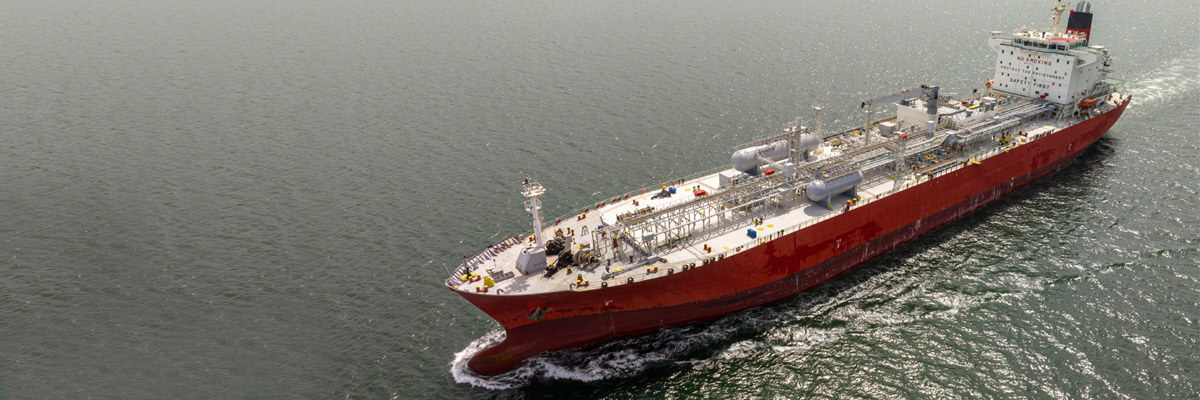
For crude tankers, the restocking cycle means elevated cargo volumes across VLCC, Suezmax, and Aframax segments for an extended period rather than a short-lived spike. The LPG fleet faces a similar dynamic: Middle East gas export infrastructure has been largely offline, and once it restarts, pent-up volumes will need to move to buyers in Asia who have been undersupplied for months. Both markets point to the same conclusion: the Hormuz reopening is not just a brief moment of relief but the start of a prolonged period of strong demand for the vessels that move the world’s energy.
Sources: EIA Short-Term Energy Outlook (June 2026), IEA Oil Market Report (May 2026), MB Shipbrokers