

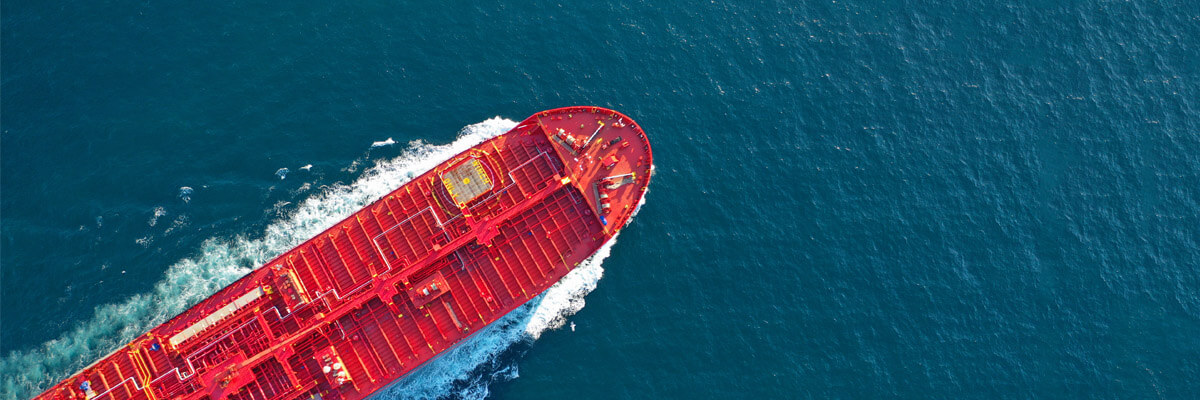
Disrupted Middle East loadings are shifting crude demand towards the Atlantic, while constraints in the Panama Canal and limited PCTC supply continue to support rates.
Tankers: Suezmax earnings rise to above $200,000 per day as crude demand shifts to the Atlantic
Suezmax earnings rose 13% to above $200,000 per day, the highest level this year, driven by increased activity in the Atlantic rather than the Middle East. With Persian Gulf loadings blocked, refiners are sourcing crude from West Africa, the Americas and the Black Sea, while several West African cargoes for late August and early September remain uncovered. Aframax earnings fell approximately 4% as rates in the North Sea and Mediterranean eased from the high levels reached earlier this month. A reopening of the Strait of Hormuz would likely redirect cargoes towards Asia and put downward pressure on Atlantic rates.
LPG/VLGC: Panama Canal constraints continue to support earnings
Earnings on the US Gulf to Japan route ended the week slightly higher at approximately $158,000 per day. Lower water levels in the Panama Canal are reducing available transit capacity, while competition for remaining slots has pushed transit costs to record levels. One owner reportedly paid $4.6 million for a single crossing. With most September cargoes still unassigned and few ships available, rates are expected to remain firm unless Asian demand weakens.
PCTC: Limited vessel supply continues to support car carrier rates
Charter rates for a standard car carrier rose to $80,000 per day in August from $70,000 per day in July, approximately 60% above the 2025 average. The strength is primarily supply-driven, with very few new car carriers scheduled for delivery during the remainder of 2026 and most new tonnage arriving in 2027 and 2028. The segment remains largely unaffected by the Strait of Hormuz closure, as its main trade routes connect Asia, Europe and North America. Rates are therefore expected to remain firm until new vessel deliveries increase.
Geopolitics: Strait of Hormuz remains largely closed as Iran sets conditions for reopening
Only 10 ships crossed the Strait of Hormuz during the first half of August, while energy flows through the Strait have fallen to approximately 6 million barrels per day. Three tankers turned back before completing the crossing on 18 and 19 August, and another vessel was struck by a projectile while leaving the Persian Gulf. Iran has stated that the Strait will remain closed until the US ends its naval blockade, removes oil sanctions and stops military operations, while President Trump has stated that no negotiations are taking place. The key development to monitor is whether negotiations with Oman result in new shipping lanes that could allow some Persian Gulf cargoes to move again and ease pressure on tanker rates.
Sources: Bloomberg, Clarksons Research, IEA, MB Shipbrokers, Panama Canal Authority