

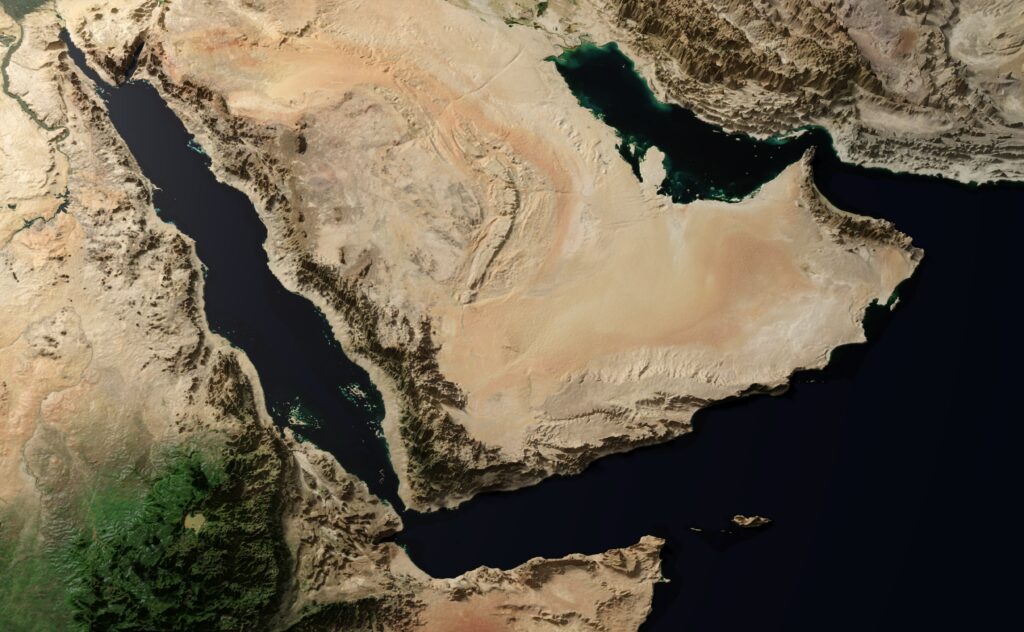
Disruption to Saudi Arabia’s East-West pipeline is redirecting more crude through the Gulf and forcing European refiners to look further afield, increasing demand for Suezmax and Aframax tankers.
Saudi Arabia loses a key alternative to the Strait of Hormuz
The geography of Saudi crude exports has shifted again. On 10 September, drone attacks launched from Iraq shut the East-West pipeline, Saudi Arabia’s main route for moving crude from the Gulf to the Red Sea without passing through the Strait of Hormuz. The disruption halted most of the roughly 4 million barrels per day previously transported to the port of Yanbu.
Pressure on the Red Sea route has increased at the same time. The Houthis have intensified attacks on Saudi targets and say they are blockading Saudi ships in the region. Aramco has informally indicated to some Asian refiners that Yanbu loadings could resume soon, but no October term crude has been allocated to European buyers. By contrast, flows through Hormuz are gradually recovering. US Central Command reports that oil shipments through the strait have reached a six-month high in recent weeks, supported by mine clearance and US naval protection.
The rerouting is particularly relevant for Suezmax and Aframax tankers
With its Red Sea outlet constrained, Saudi Arabia is increasingly relying on exports from inside the Gulf. VLCCs carry crude through the Strait of Hormuz to the Gulf of Oman, where the oil is transferred to other tankers for the remainder of the voyage. This creates additional demand for Suezmax and Aframax vessels, the tanker segments in which EMF is invested.
The effect extends beyond the Gulf. European refiners that would normally receive Saudi term crude are increasingly looking to Atlantic suppliers instead, and much of this trade is naturally suited to Suezmaxes and Aframaxes. With VLCC availability already tight, charterers are also splitting larger cargoes across smaller vessels. One-year timecharter rates have consequently risen to around $130,000/day for Suezmaxes and $75,000/day for Aframaxes, more than double 2025 levels.
Diplomacy remains an important variable. At the time of writing, the US and Iranian presidents could meet during the UN General Assembly in New York, which runs until 28 September. Meaningful progress toward reopening and normalising Hormuz traffic would gradually reduce some of today’s disruption-driven demand. If tensions persist, however, the current trade patterns would continue to absorb tanker capacity and support demand for Suezmax and Aframax vessels.
Sources: Bloomberg, BRS Shipbrokers & Clarksons Research